Street Entrepreneurs was a 501(c)(3) nonprofit accelerator that invested in the grit of small business founders through hands-on education, peer mentorship and access to capital. Founded in Washington, D.C. in 2015, it served 2,000 founders over a decade before its programs, curriculum and community were entrusted to the Washington Area Community Investment Fund. This page is kept as a historical record of what it was and who made it.
"If you are crazy enough to see a world that does not exist and driven enough to bring it to life, then Street Entrepreneurs is right for you."
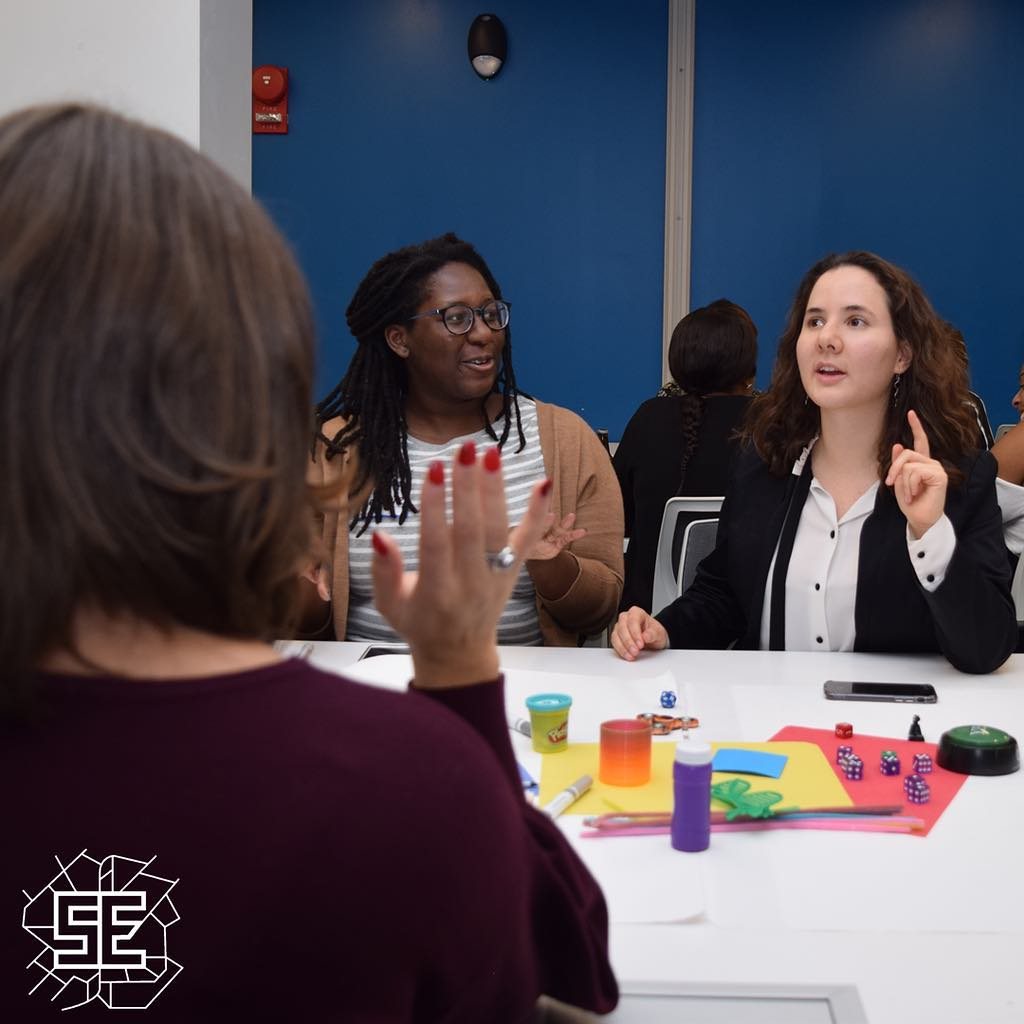
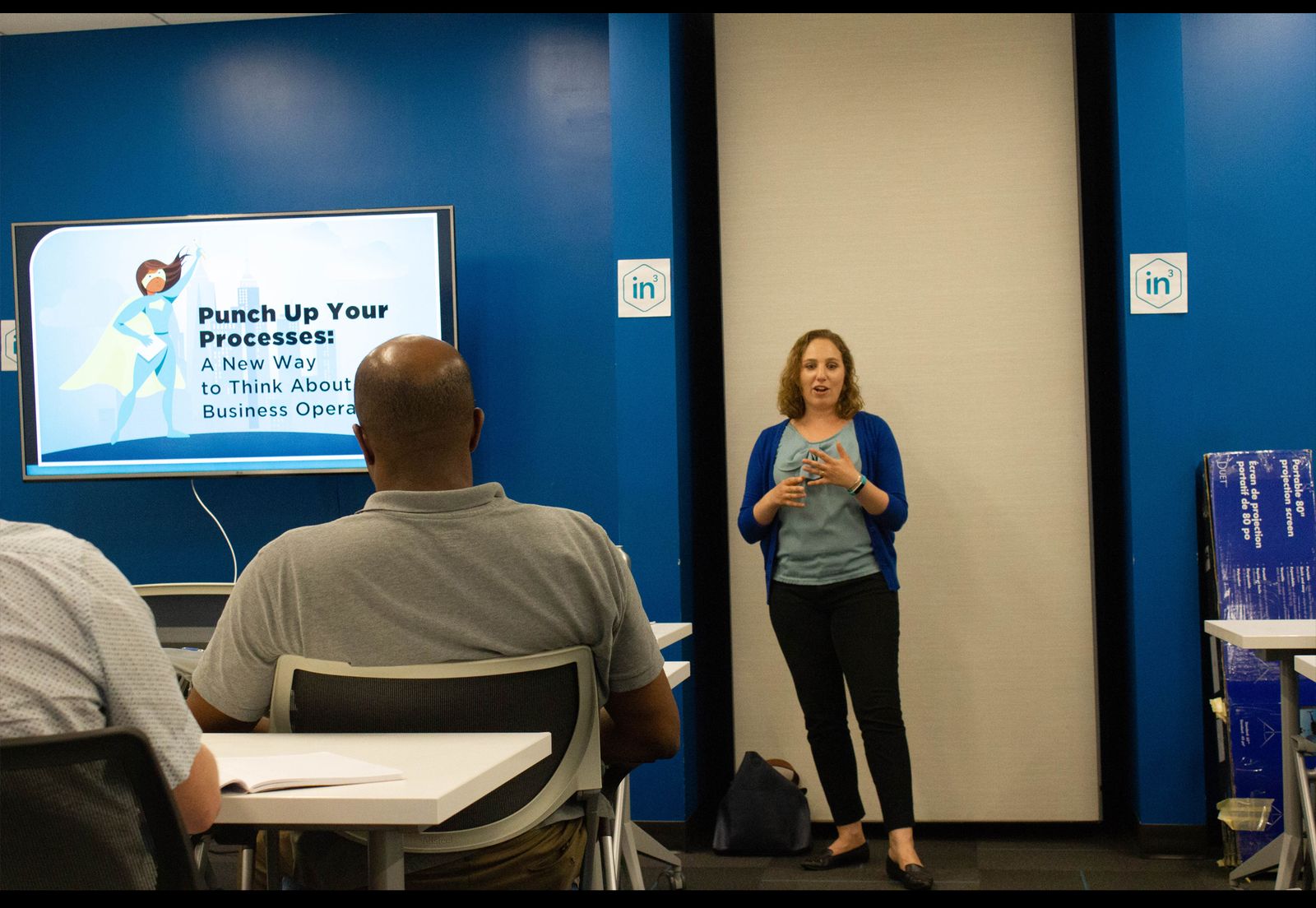
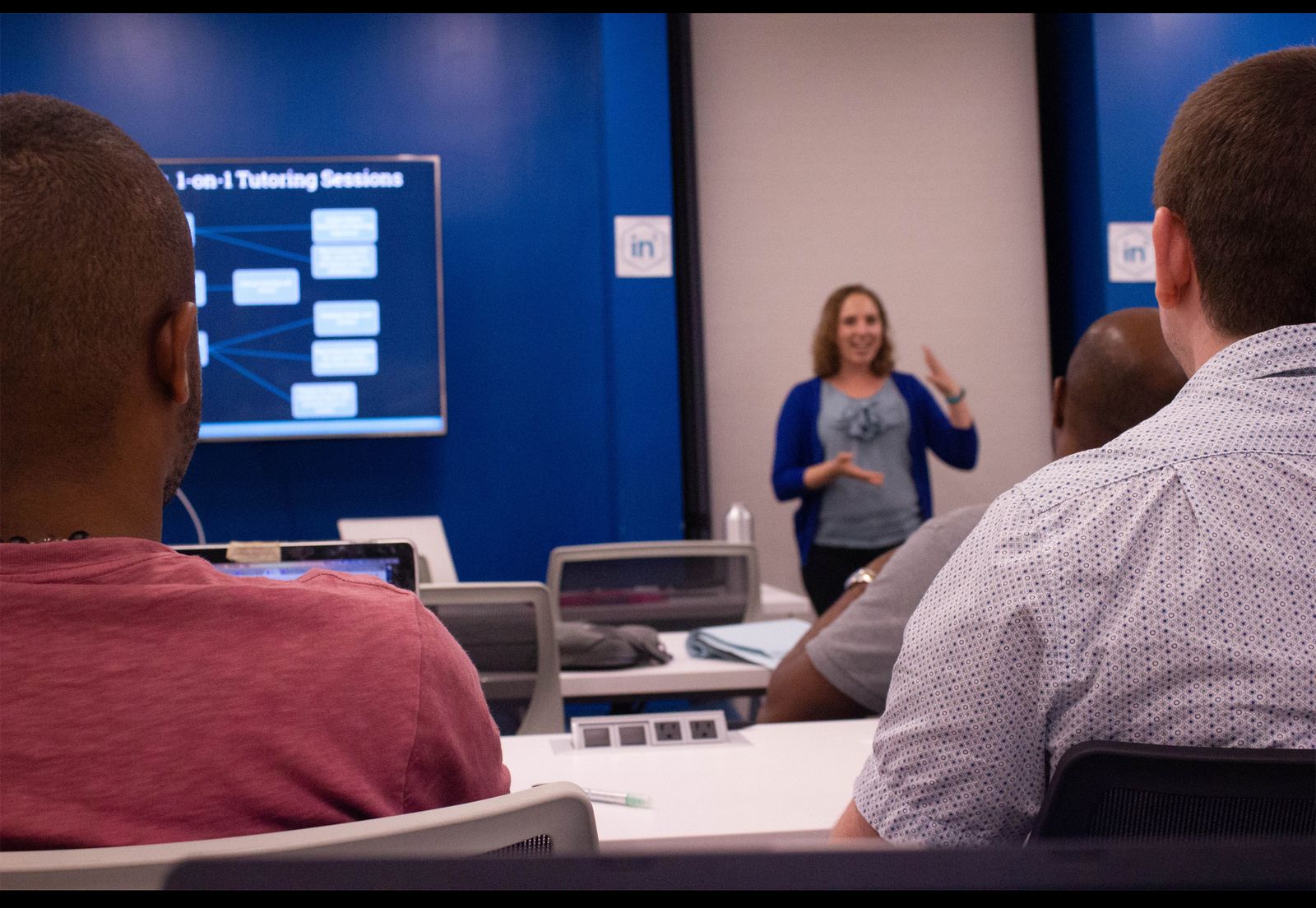
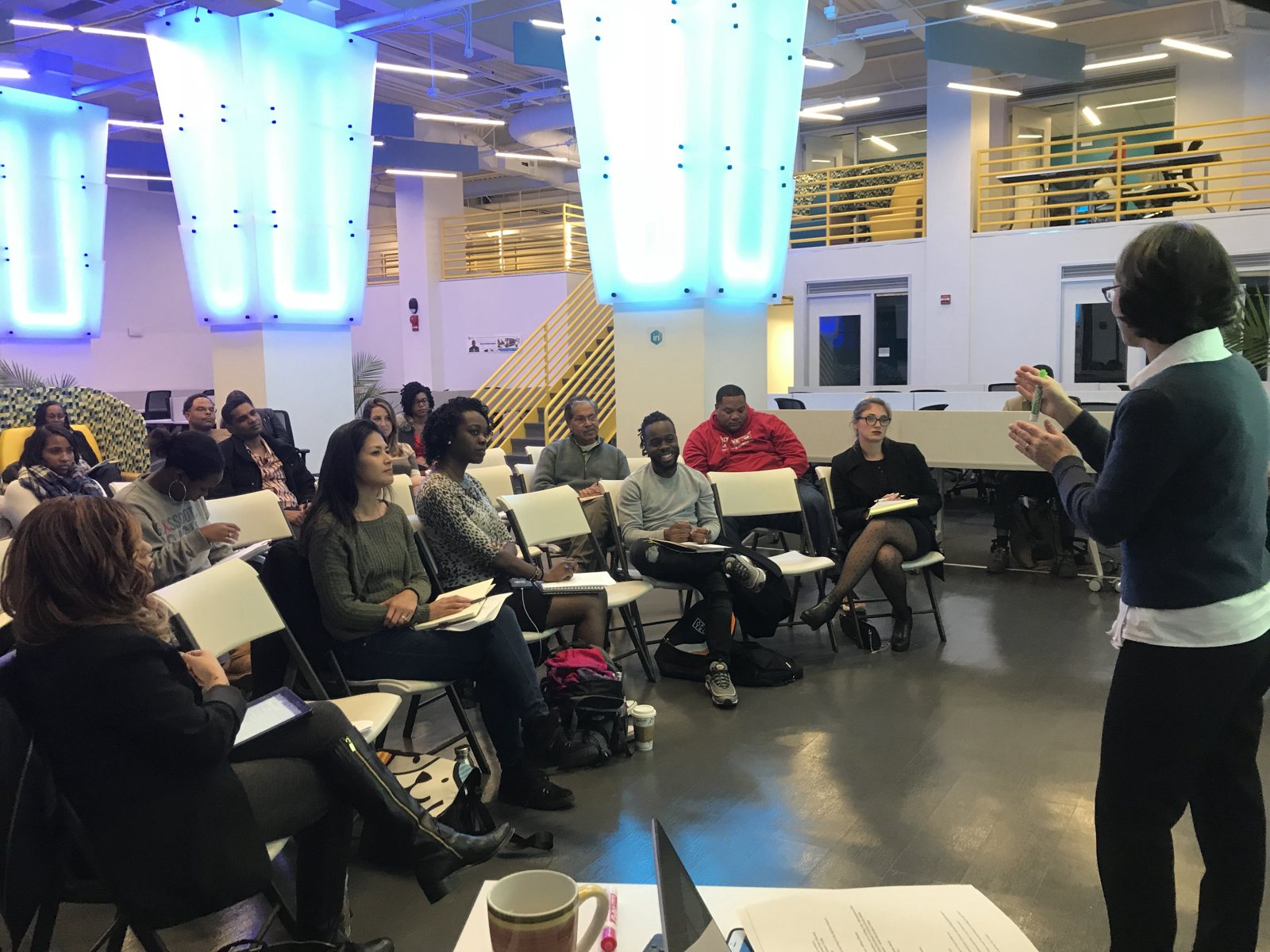
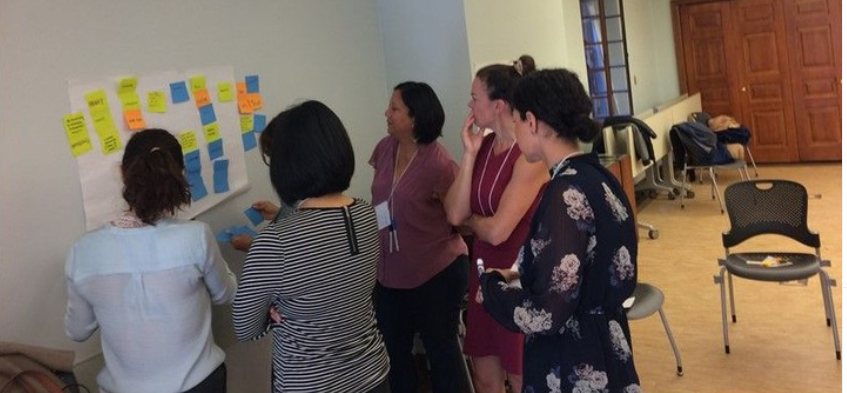
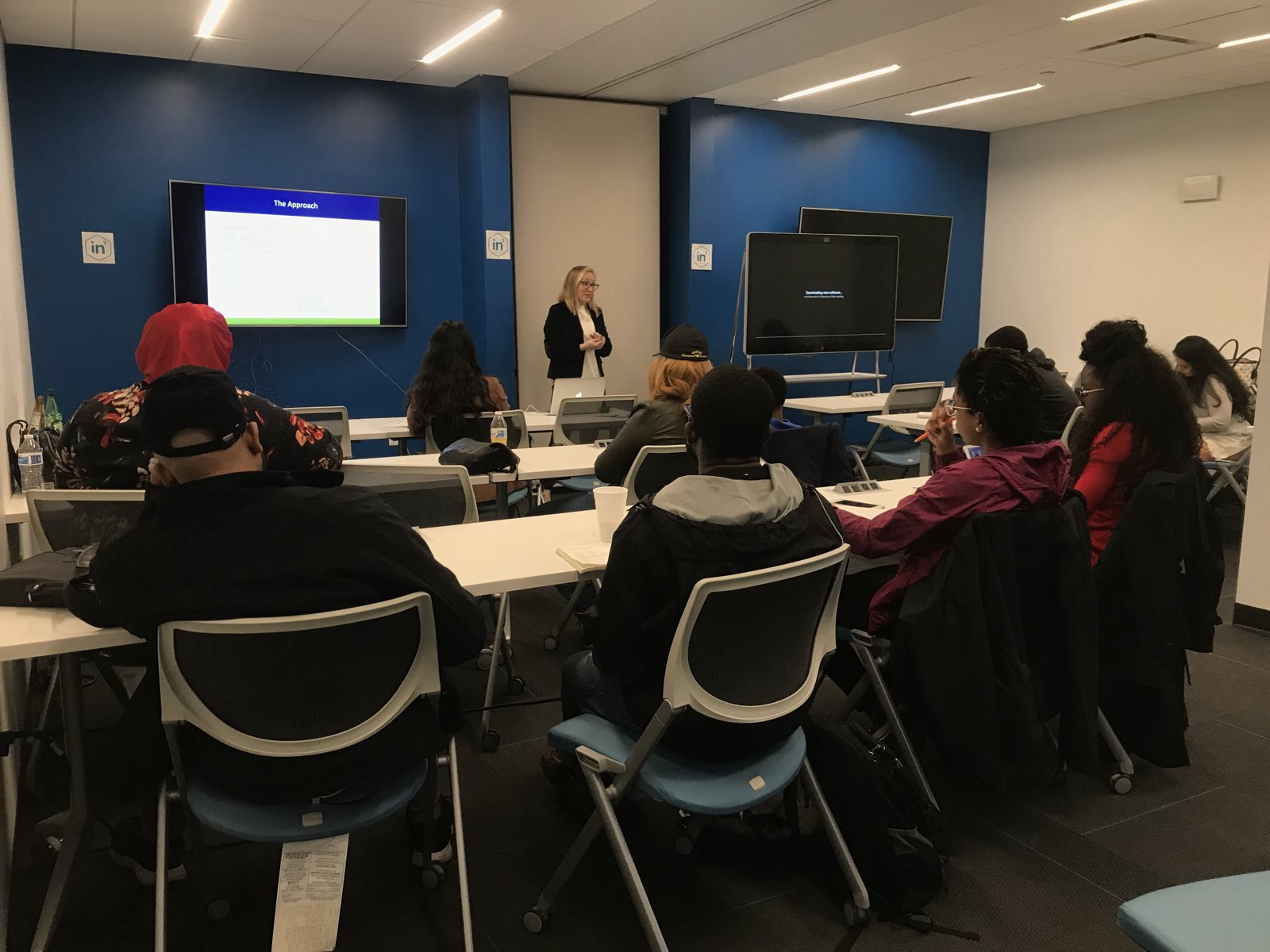
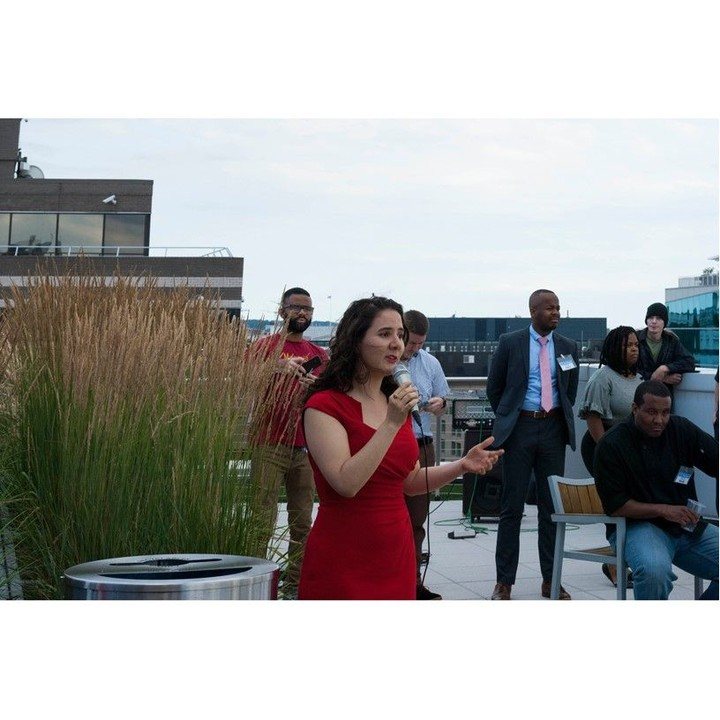
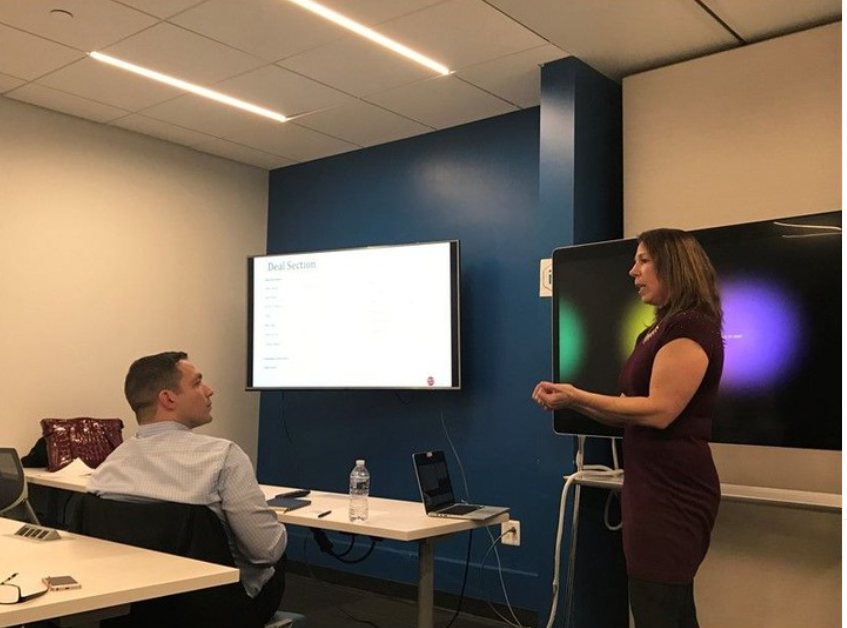
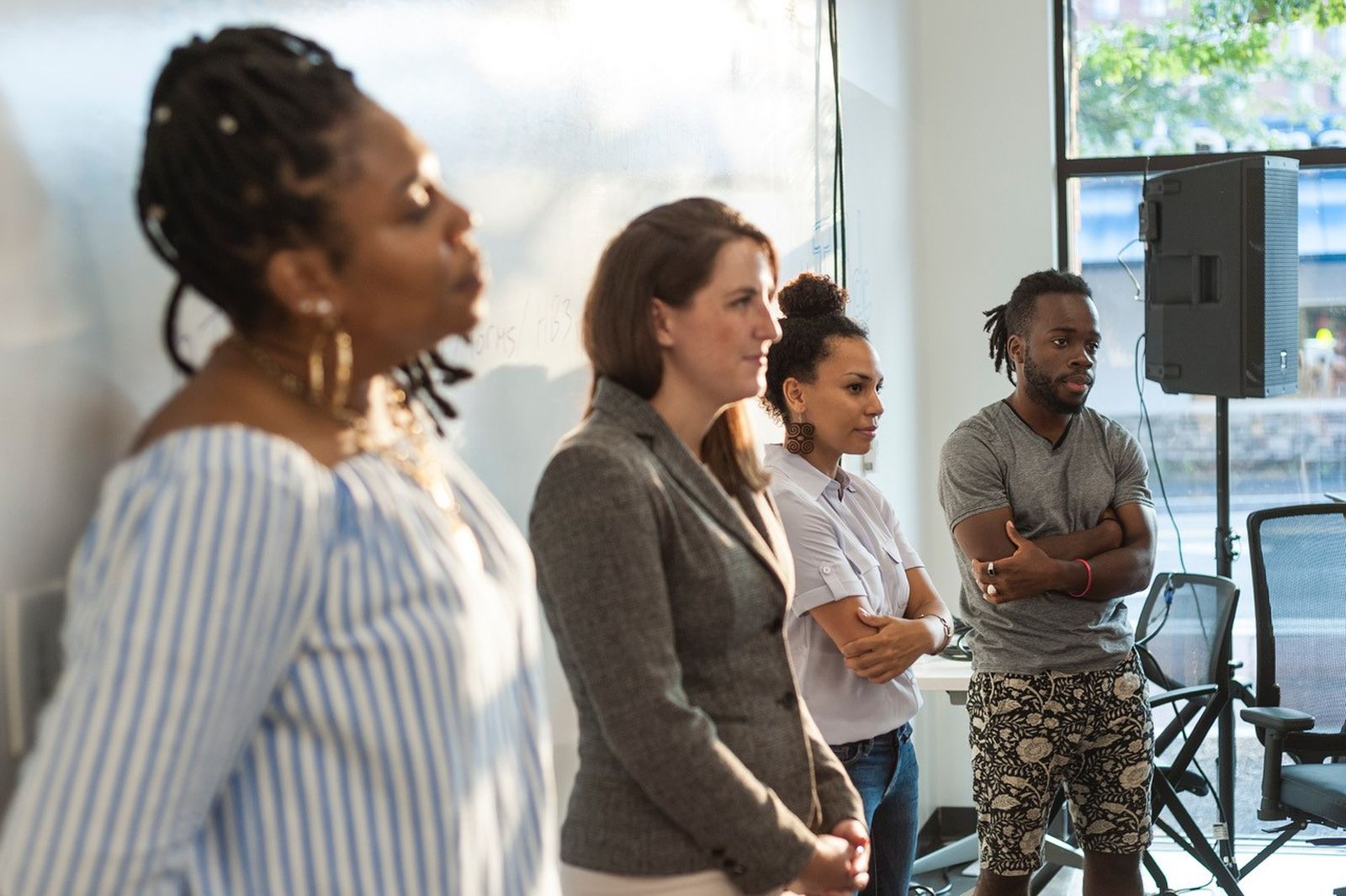
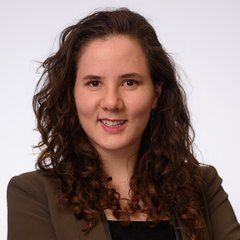
Juliana leading a workshop at the Inclusive Innovation Incubator, 2018
Founded 2015 · Rooted in community organizing and one belief: nothing about us, without us. The people closest to a problem are best placed to solve it.
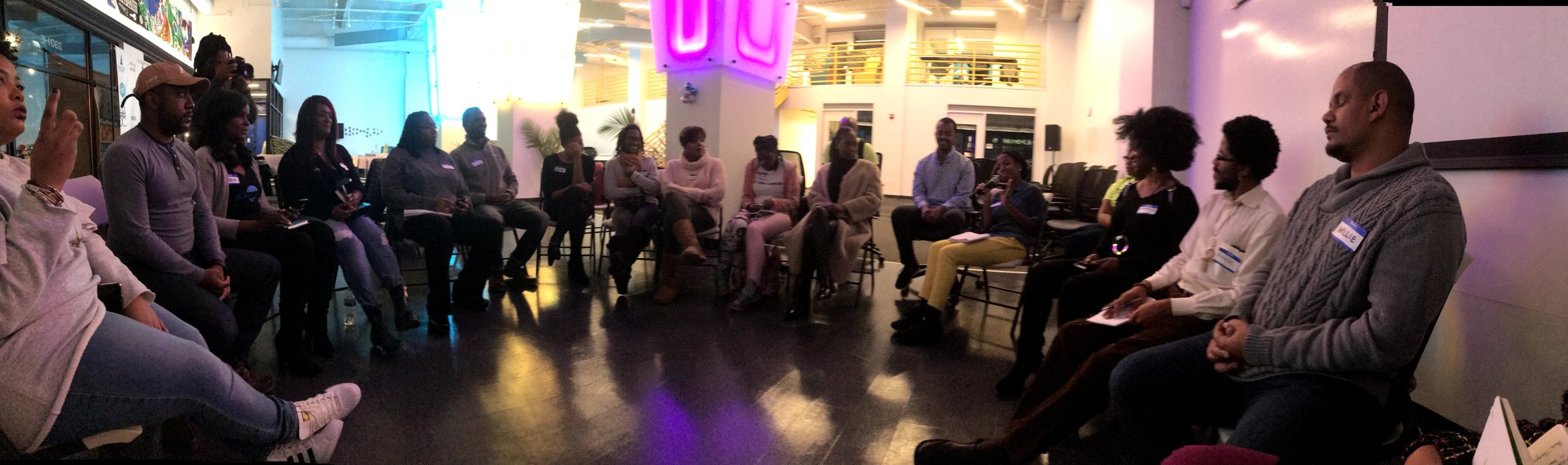
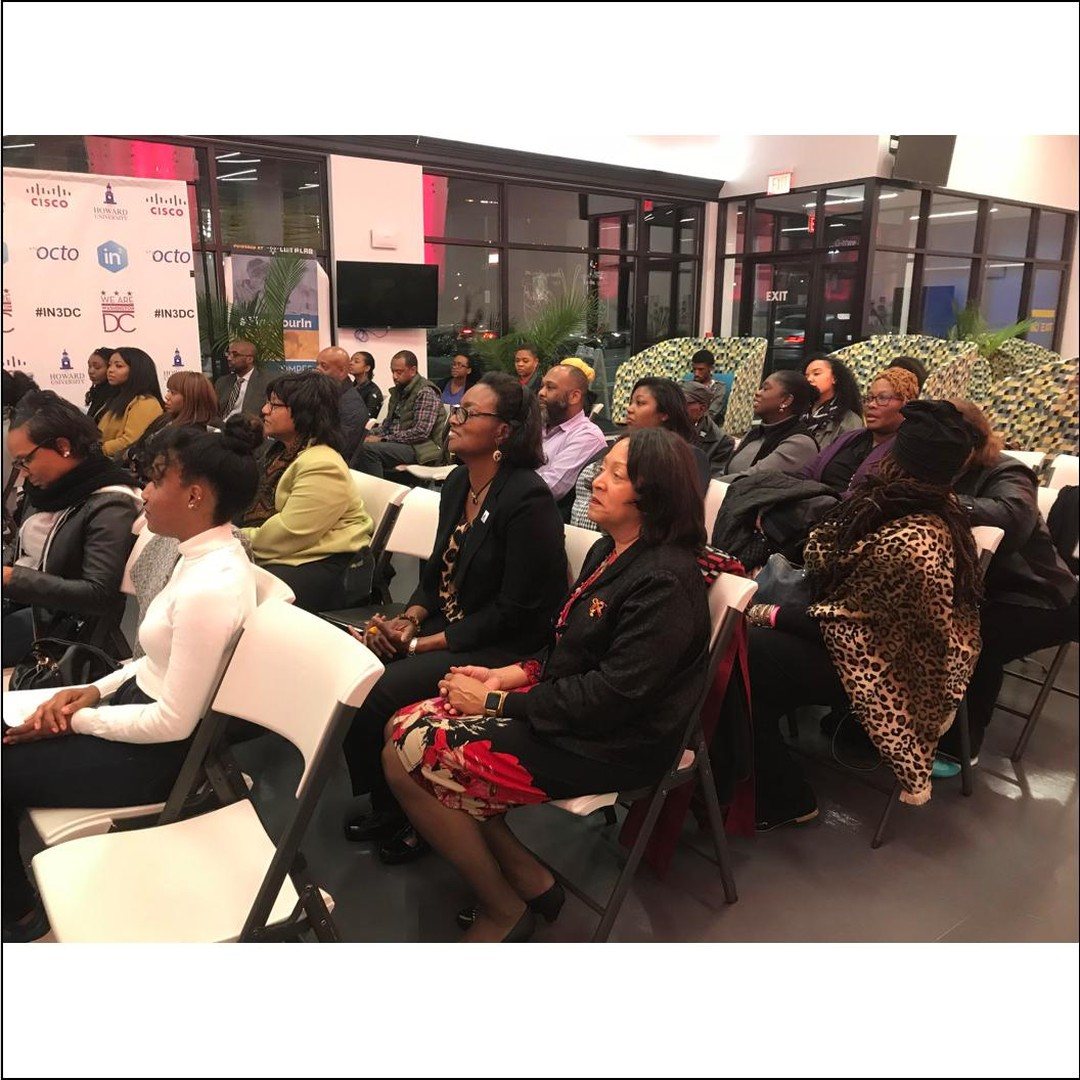
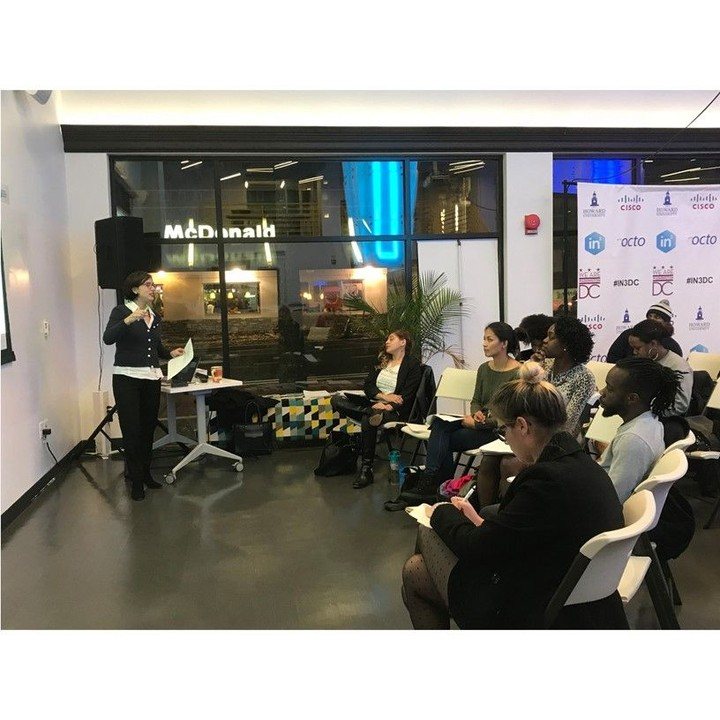
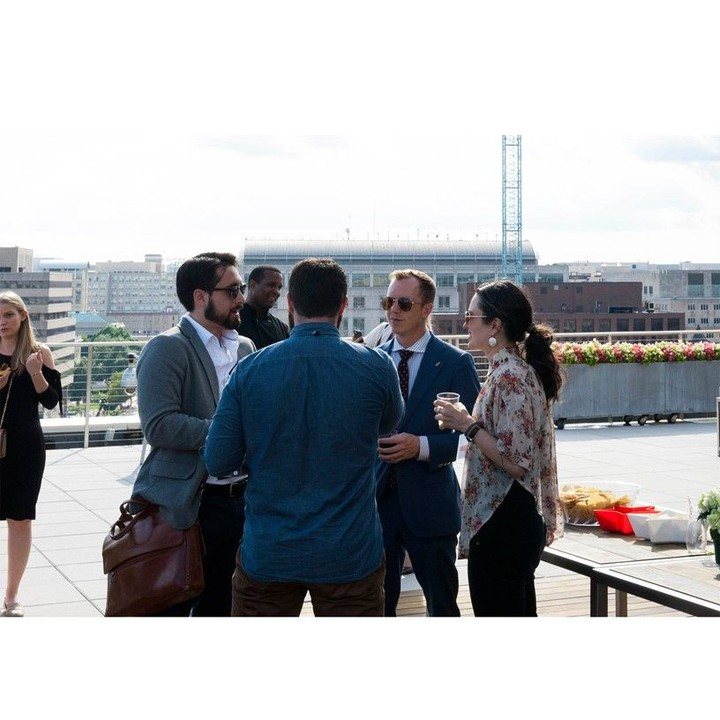
Street Pitch at the Inclusive Innovation Incubator · Washington, D.C.
By the Numbers
A small organization that left a disproportionate mark.
Figures below come from two sources: an independent 2019 study by Deloitte of 200 participants from the 2017 and 2018 programs, and the Street Entrepreneurs Impact Report 2021, covering the virtual accelerator of 2020.
Potential customers reached by the Street Pitch 2020 livestream
Impact Report 2021
52%
Of 2018 founders were the first in their family to start a business
2018 cohort survey
57%
Of 2018 ventures were two years old or younger
2018 cohort survey
1 in 4
2018 founders worked 60+ hours a week on their business
2018 cohort survey
300K+
Combined following of the organizations and supporters who shared Street Pitch 2018
2018 partner tracker and archived follower counts
What It Was
Three programs. One theory of change.
i. Knowledge
Education as practice, not lecture.
Hands-on, creative, collaborative workshops taught by practitioners with real start-up and small business experience. Design thinking, improvisational comedy and experiential learning in place of slide decks. Workshops were pay-what-you-can, from $0 to $50, and the curriculum covered eight essentials: ideation, leadership, business planning and storytelling, marketing and sales, operations, money and metrics, legal structure, and access to capital.
Peer mentorship built on the Kiva Method, a facilitation technique developed by and used with permission of the indigenous people of Southwest Texas. Founders bartered skills, traded resources and matched with coaches for craft and advisors for industry. When one founder trained another, they earned a "Karma credit" to trade for services elsewhere in the community. In 2020 the exchange ran hybrid, supporting 53 businesses, and every participant said it was an effective way to build real relationships in a post-COVID world.
iii. Capital
Street Pitch.
Launched in 2018. A showcase rather than a competition, somewhere between American Idol and Shark Tank. Founders were chosen by their peers, judges acted as critical advisors, and the audience voted with crowdfunding, product purchases and in-kind support, live and online. For many founders it replaced the friends-and-family round that is so much harder to reach for historically marginalized communities.
I worked at the World Bank and walked into a building every day with a frame above the door that read, "Eradicate Poverty." Yet each day, just moments before seeing this sign, I'd pass by people experiencing homelessness and wouldn't even stop to say, "hey, how are you?" I was conflicted by this, by my disposition to look away.
I started to research and learned that 40% of homeless youth age out of the foster system. On the street there are structures that support dealing: senior dealers finance initial orders, and there's a sentiment of group protection. On the other side of legality, a youth who walks into a job interview without the right clothes, an address or photo identification will probably not leave with an offer. So the idea formed: how can we invest in these youth? They had the raw talent, sales, distribution and risk mitigation. How could we invest in that?
As I began to work with homeless youth, I began to associate what I witnessed in them with what I'd seen in my mother. She started a chain restaurant in Colombia that she sold before immigrating to the United States. My parents' restaurant here went bankrupt in the downturn of 2011, and my mom, not knowing English or how the system operated, created a cleaning company to recover. She had no problem going from high heels to sneakers, from managing a restaurant to cleaning houses. Around age 11, I'd join her to help clean offices during the night shift. I saw someone willing to do whatever they must to support their family. That's what I saw in homeless youth, too.
Grit.
Adversity is the breeding ground for entrepreneurship. It teaches you to be resourceful and to adapt. When you survive, you have a blueprint for survival, time and time again.
Condensed from "Our Origin Story," Street Entrepreneurs Impact Report 2021.
"From the time I met Juliana in 2017, I was moved by her vision and determination to create accelerator programs for aspiring entrepreneurs."
Joe Green · Board Chair, Street Entrepreneurs
"Juliana is a kind and collaborative leader who chooses to see the good in every idea and the value in every individual."
Cory Lancaster · Former CTO, Street Entrepreneurs
"You can tell this entrepreneur is not waiting for anyone, she is insistent on finding a way forward."
José Antonio Tijerino · President & CEO, Hispanic Heritage Foundation
DT
"The CEO of Street Entrepreneurs is a true servant leader, a catalyst, a visionary, and an ally to create a more equitable world."
Danielle Kristine Toussaint · Founder & CEO, She Thinks Purple
What partners wrote in support, 2019
"Street Entrepreneurs is an organization that was founded to fill the gap between a great idea and a viable business."
Brianne Dornbush · Executive Director, District Bridges
"Street Entrepreneurs takes on these challenges head-on by ensuring start-ups have a launchpad to develop their ideas, connect with the right people, and the right capital."
Saleema Vellani · COO & Cofounder, Innovazing
"…serve a critical function in the DC tech ecosystem by providing much-needed support and development for startup founders from underrepresented communities."
Sibyl Edwards · CEO & Cofounder, Black Female Founders
"We need solutions, not promises. … We are proud to say that Street Entrepreneurs is a solution to connecting and supporting tech and tech-enabled businesses alike."
Alex Wilson · BlockShop DC
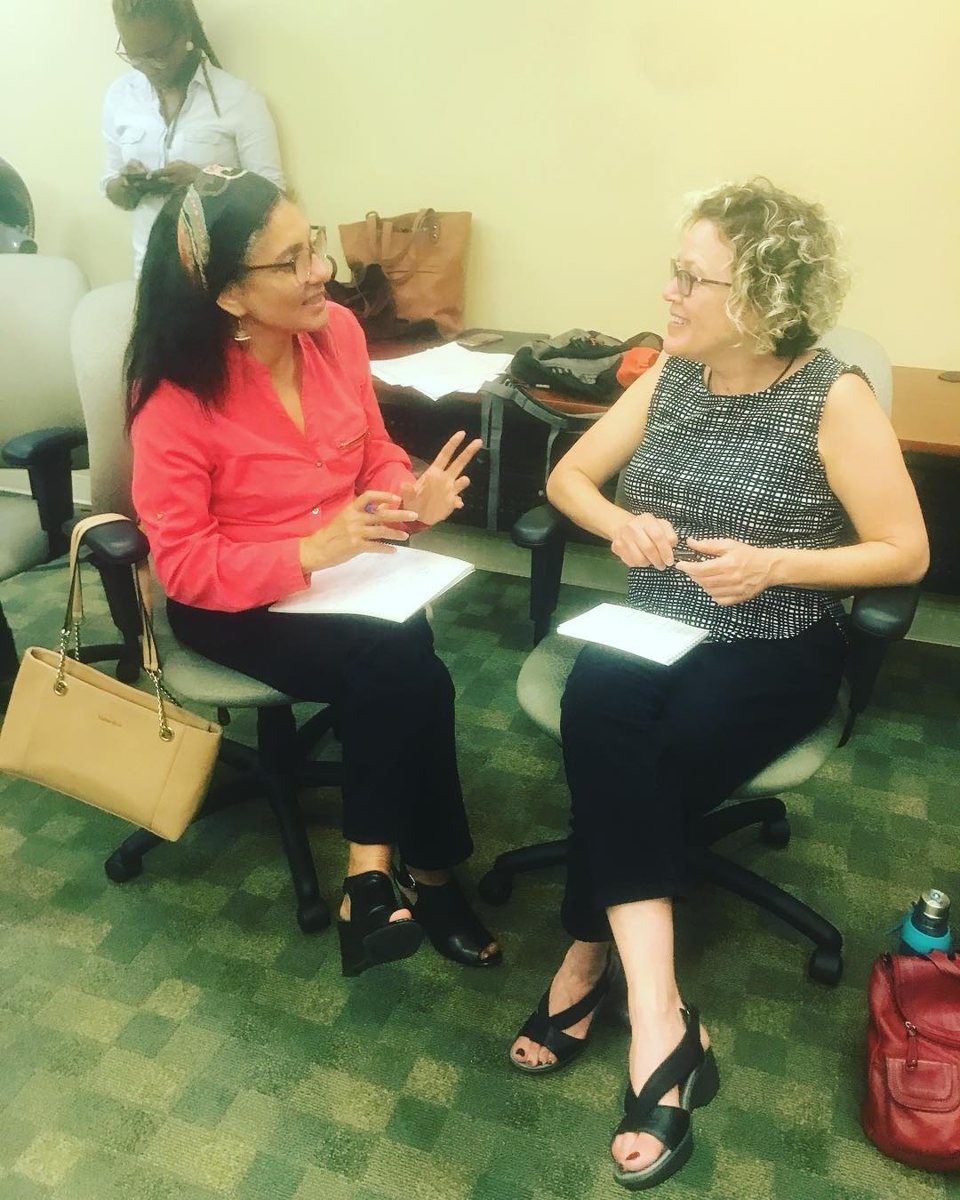
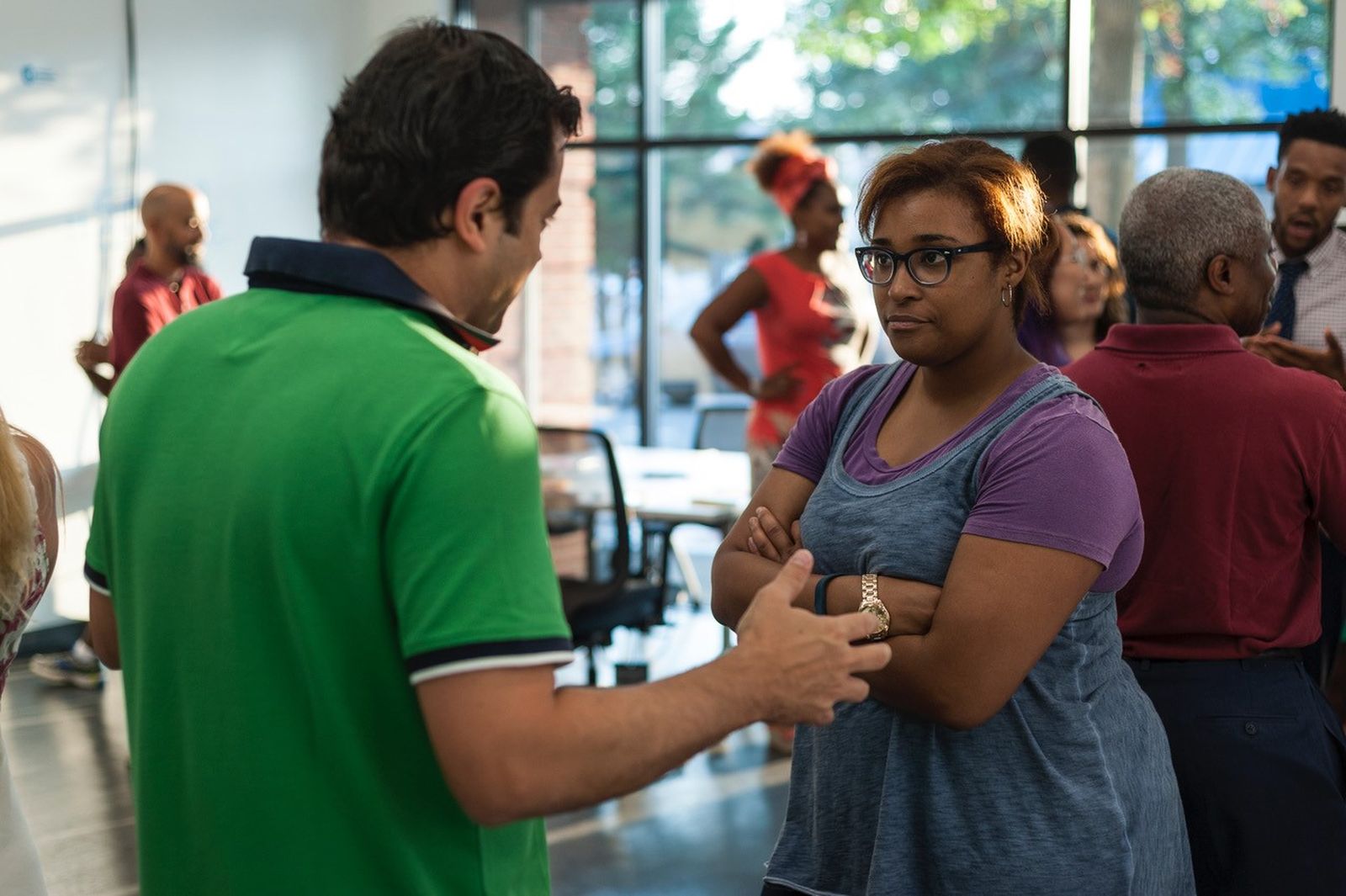
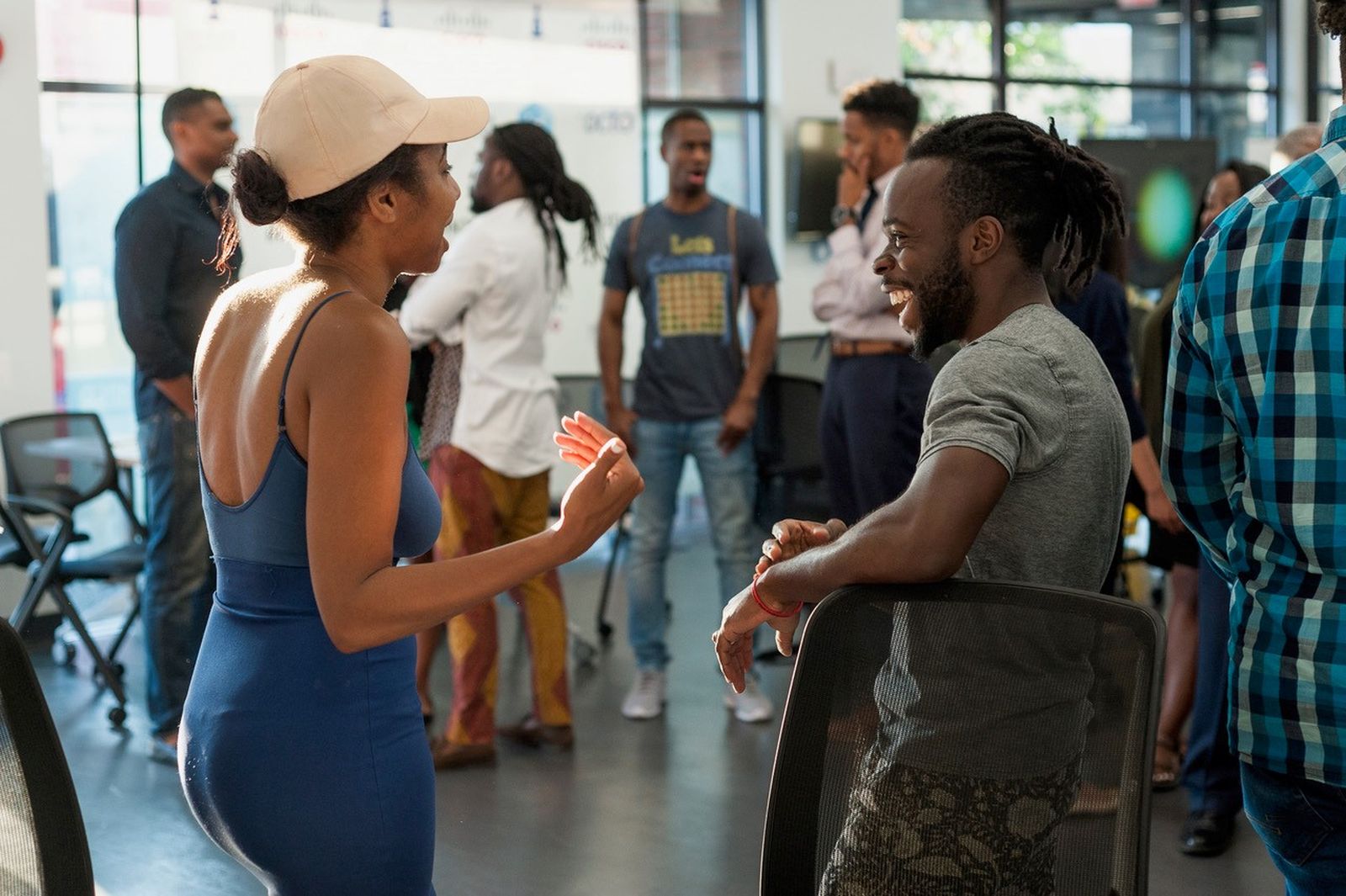
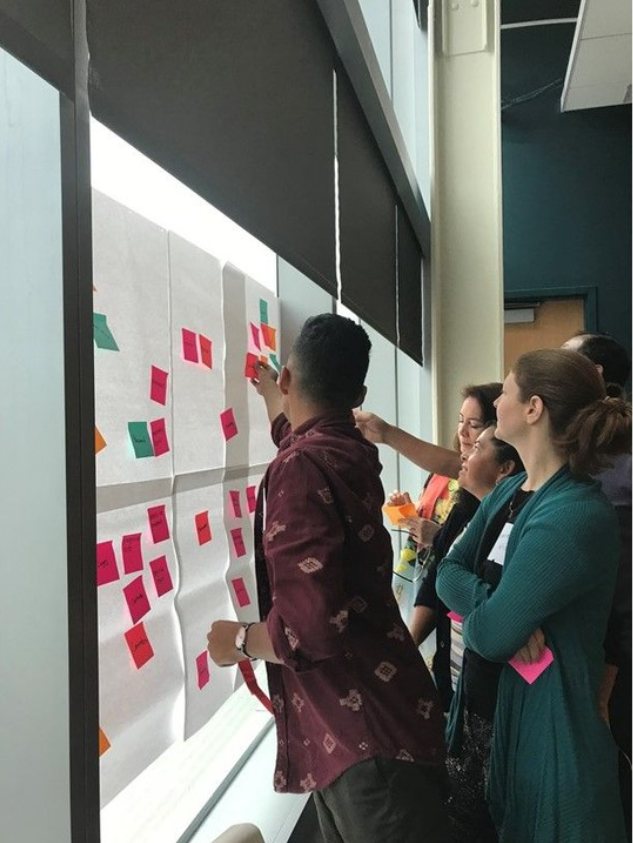
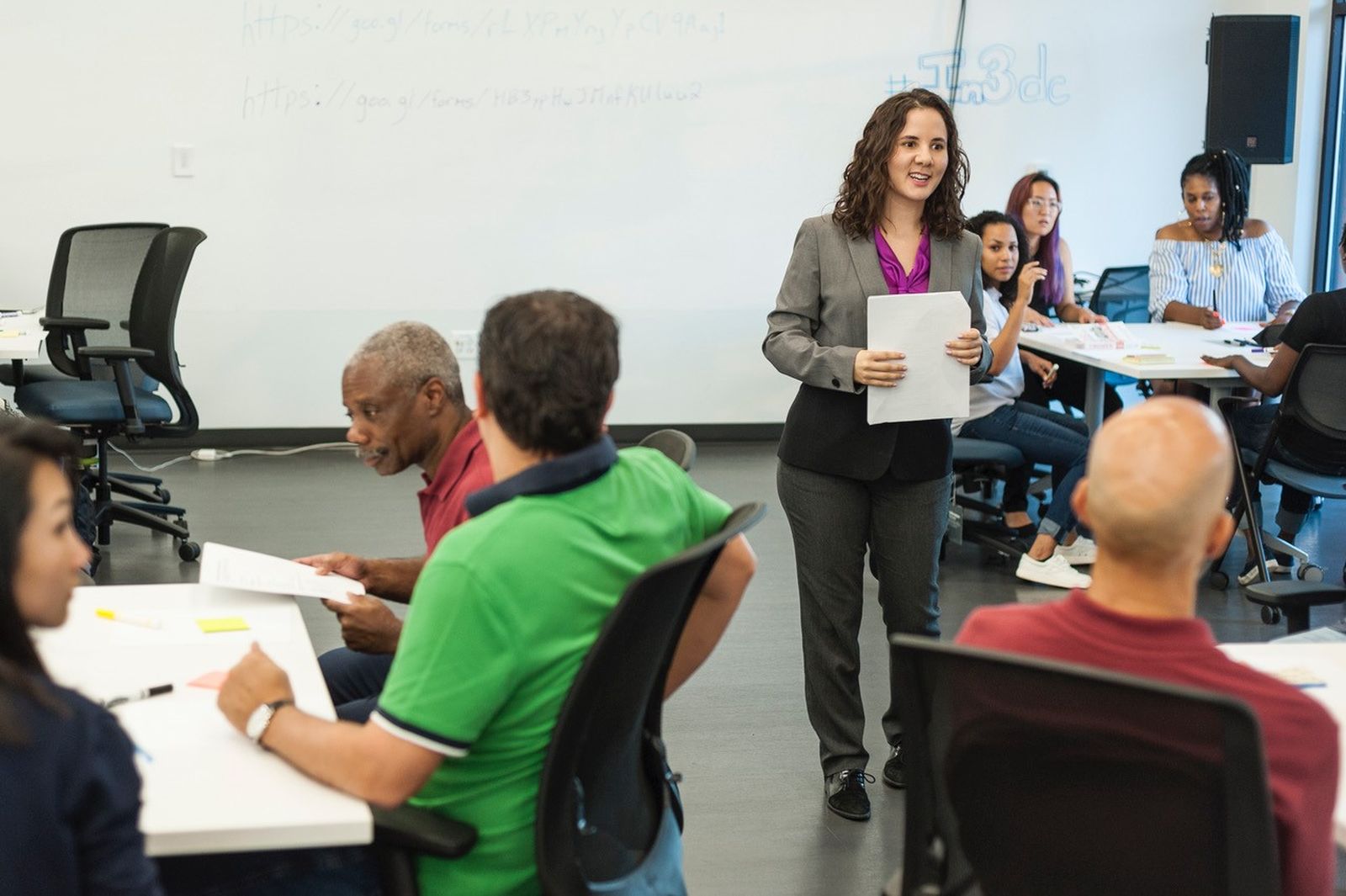
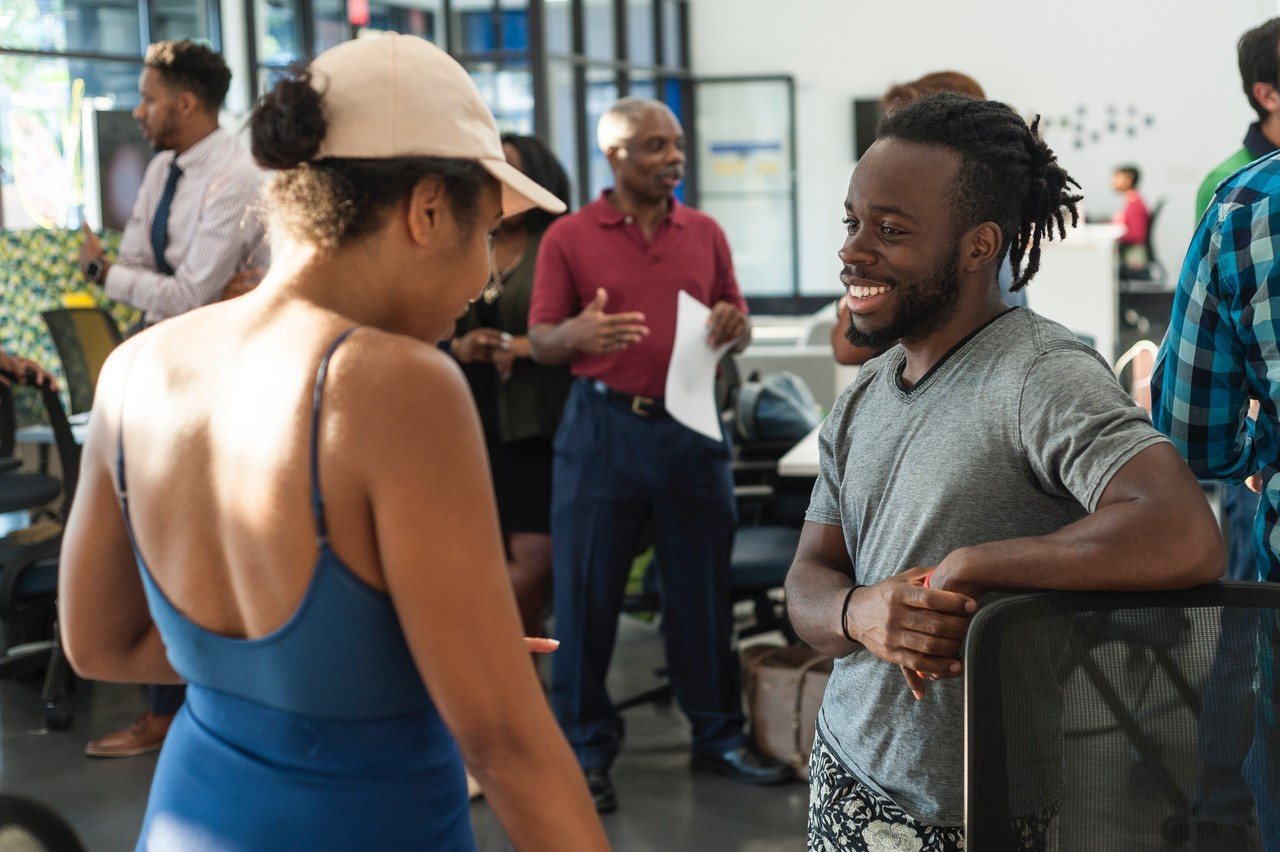
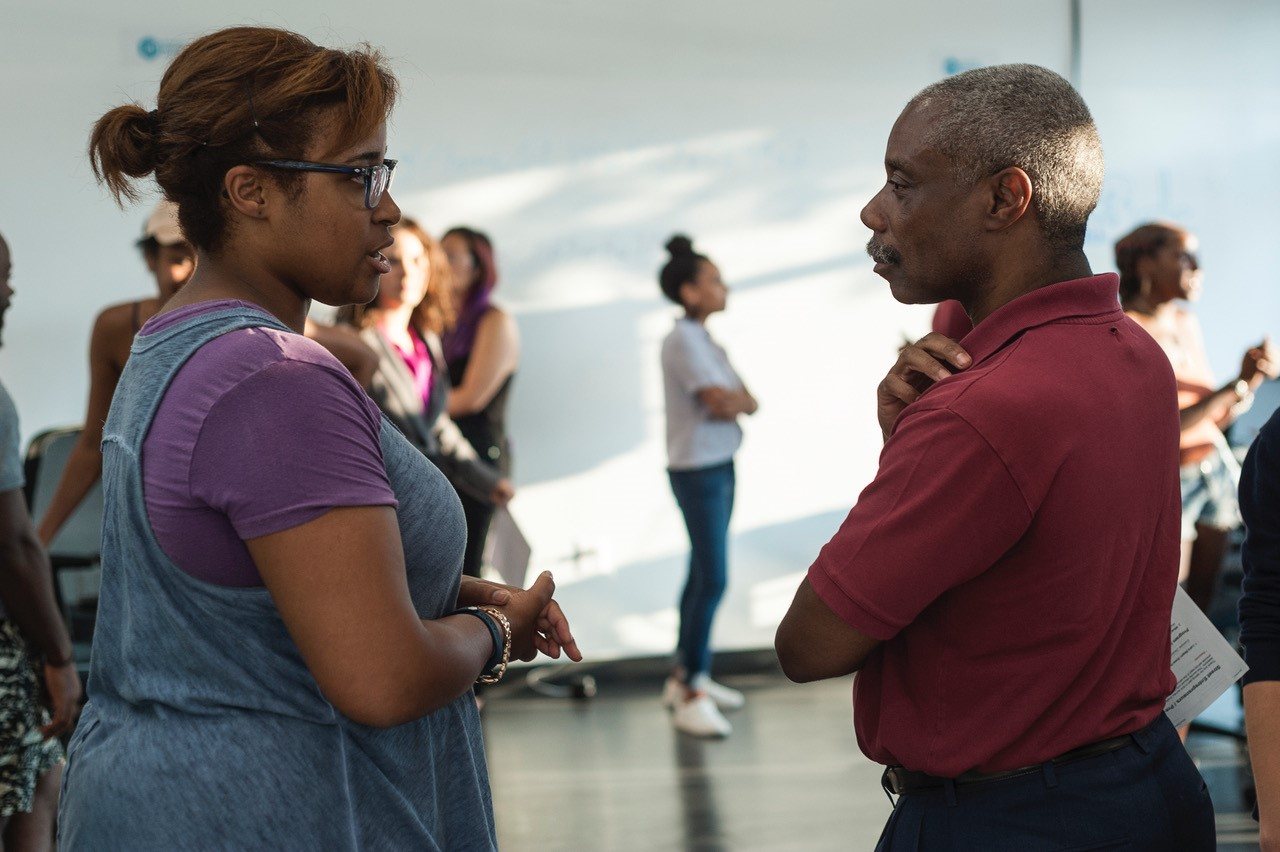
Founders pairing up for an improv exercise at the Inclusive Innovation Incubator on Georgia Avenue, where Street Entrepreneurs' pay-what-you-can series found its home.
A Chronology
Ten years, told quickly.
2015
Founded in Washington, D.C.
Free entrepreneurship workshops in shelters and juvenile detention centers, on the conviction that youth experiencing homelessness already had the raw talent and only lacked the investment.
Pay-what-you-can workshops on a sliding scale, housed at the Inclusive Innovation Incubator on Georgia Avenue. Corporate professionals, educators and side-hustlers join the community alongside under-resourced youth, and a grit-based economy starts to take shape. Letting parents bring their children to workshops changes who shows up: within months the community shifts from 80% men to 58% women. Beacon DC, launched with Mayor Bowser in 2017, later credits its support with helping Street Entrepreneurs expand.
2018
The accelerator at full scale. Street Pitch is born.
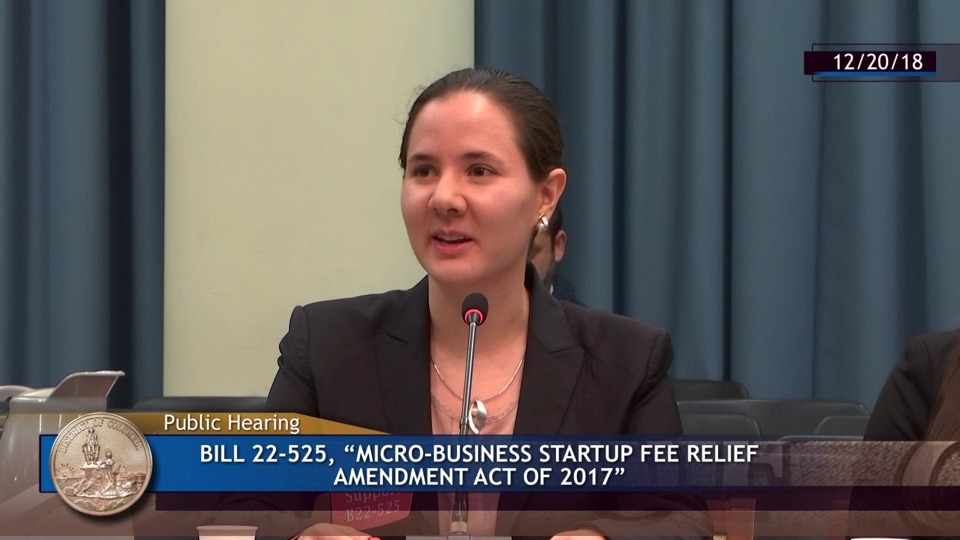
32 pay-what-you-can workshops and a full-service inclusive accelerator for 385+ founders: 50% Black, 20% Latinx, 58% women, 13% LGBTQ+, and more than half the first in their family to start a business. On November 27, the first Street Pitch, the "Invest in Grit" showcase, is held at the Inclusive Innovation Incubator, where Talent Hive, a digital version of the Talent Exchange, opens for beta testing with more than 100 users. On December 20, Juliana testifies before the D.C. Council for the first time, in support of the Micro-Business Startup Fee Relief Amendment Act. Read about the advocacy →
2019
Deloitte's independent impact study.
Deloitte surveys 200 participants and documents the outcomes: new skills, new networks, 260 jobs, 134 local value chains, and 84% of founders reporting they became better leaders. Fellows from across the U.S. and abroad work alongside the team, and many go home to start similar programs.
2020
The virtual accelerator and Street Collectiv.
With a $175,000 grant from the D.C. Deputy Mayor for Planning and Economic Development (reported by Technical.ly; press release), a city-wide program becomes a virtual accelerator: 70 workshops, 80 speakers, 1,000+ founders, childcare and wifi stipends. Street Collectiv launches to give shuttered founders online storefronts. Street Pitch 2020 goes virtual on Facebook Live on December 15 and reaches 6,400 people. Street Entrepreneurs takes on stewardship of the Beacon newsletter.
2021
Impact Report and a return to advocacy.
The 2021 Impact Report is published. With a Booz Allen Race and Social Equity grant, the founder surveys vendors at Black Lives Matter Plaza and documents the barriers that keep necessity-based businesses informal: a home occupancy permit required before a business license, and a prohibition on street vending. The research asks a single question: how do those with the greatest need grow their business legally? Read about the advocacy →
2022 to 2023
Advocacy, Founder Retreats and a letter of intent.
In February 2022 Juliana testifies before the D.C. Council for a second time, in support of the BEST Act (see Advocacy). The program's final form, Founder Retreats, runs virtually and nationwide, donation-based and focused on coaching and community. A letter of intent with the Washington Area Community Investment Fund begins the transition, and SE's video library, social accounts, website and name are entrusted to WACIF.
2024
The transition is complete.
Street Entrepreneurs' decade of work becomes part of the Washington Area Community Investment Fund, a D.C. community development financial institution serving low- and moderate-income entrepreneurs since 1987. The ripple keeps going.
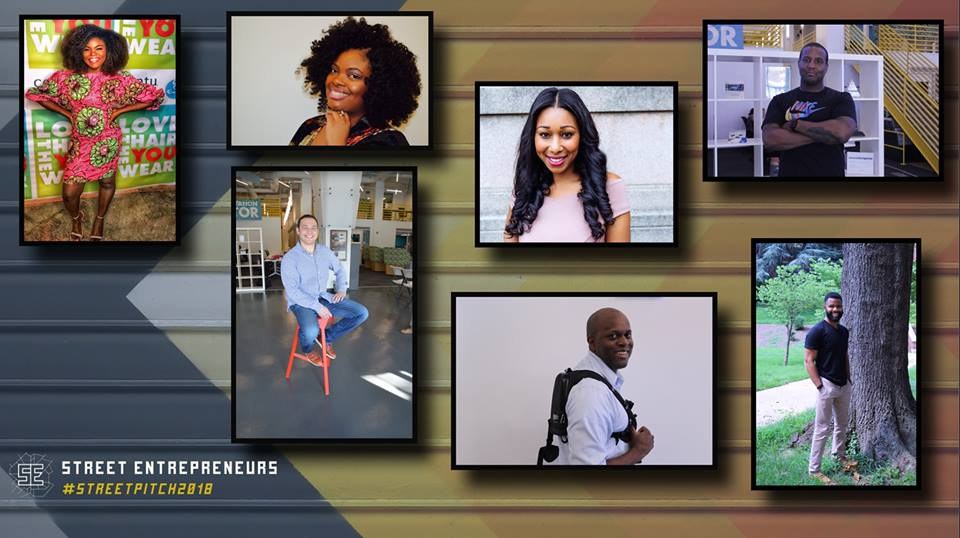
A few of the thousands. Each of these founders was featured in Street Entrepreneurs programming, Street Pitch or the Impact Report. Their words, not ours.
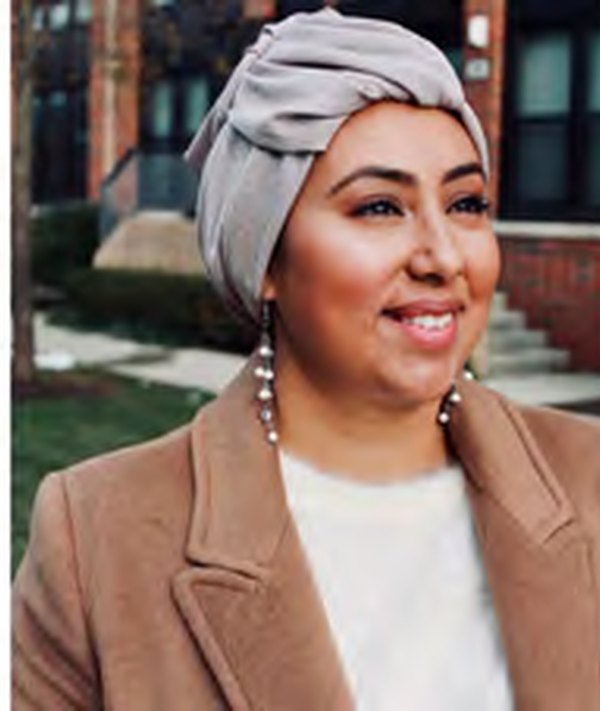
Scarves for Healing
Natalie "Naty" Silva
Immigrated from Colombia at 15. Diagnosed with breast cancer at 27, she couldn't find a headwrap that didn't make her look sick, so she designed her own. Her mother, who has sewn for 30 years, brings the designs to life.
"When I finished Street Entrepreneurs I had a great prototype and soon after, my first wholesale contract."
College Bound Parenting
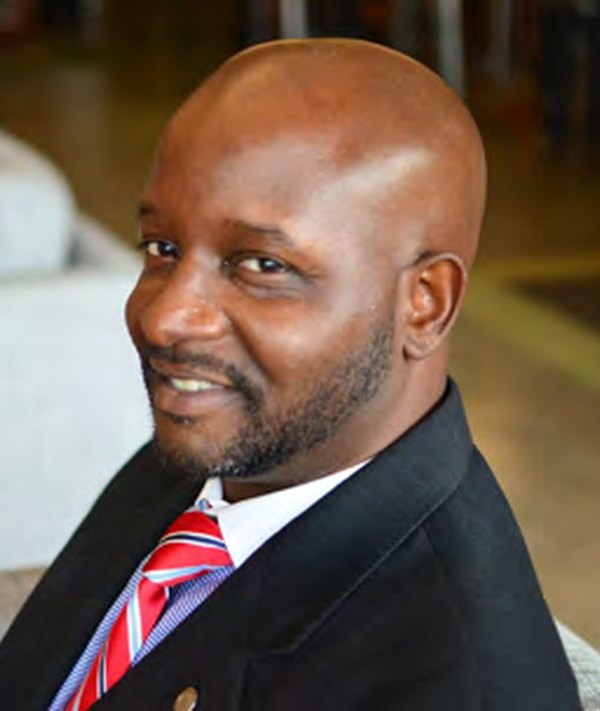
Walter Pearson
A college-planning e-learning platform built by former admissions counselors and success coaches. After Street Pitch 2020, a 9,000-member church asked to bring it to the 1,200 students in its youth ministry.
"This experience really forced us to tell our story and communicate our business in a way to attract potential investors. It's been amazing for me."
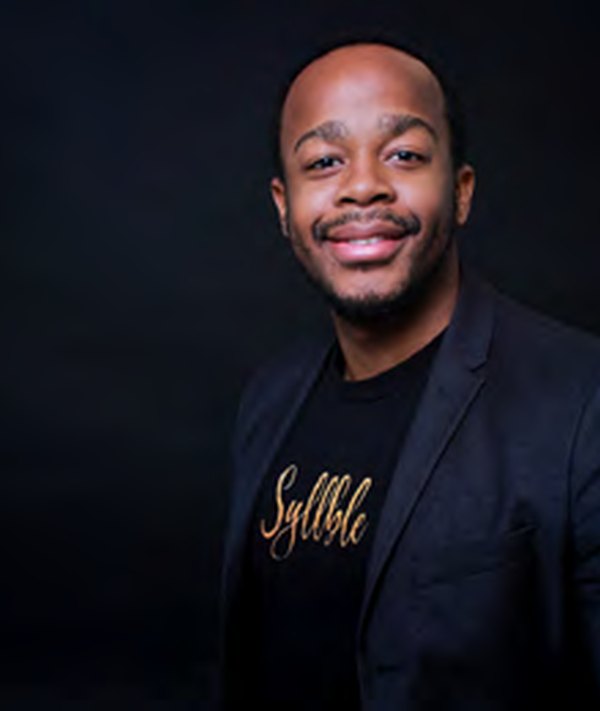
Syllble Studios
Fabrice Guerrier
The first science fiction and fantasy writers' production house, where authors collaborate in a shared universe. Three years in the Street Entrepreneurs community, iterating from publishing toward creating intellectual property.
"You have to be embraced and claimed by your city before the national stage. By participating in Street Pitch, I was able to be seen and acknowledged."
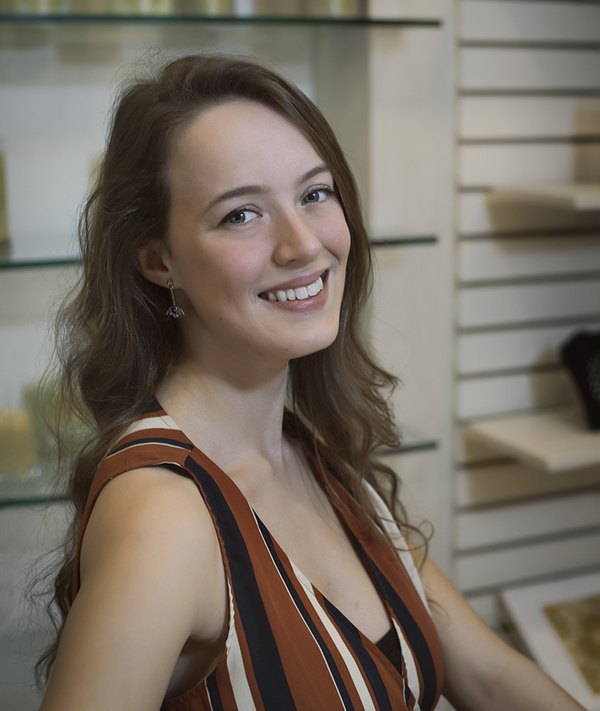
Sunstone Candles
Maddie Boening
Hand-poured soy candles with a crystal hidden inside. Opened her first shop at Union Station in December 2019, three months before the pandemic closed it. Pitched at Street Pitch 2020.
"The judges' feedback really helped me nail down my brand identity. I'm all over the place and they called me out on that, which I needed."
Mouse Loves Pig
Ruth Rau
An independent toy brand born when her son's favorite teething toy was recalled for lead paint. An architect by training, unexpectedly a stay-at-home mom, fully bootstrapped.
"What I appreciate most about Street Entrepreneurs is the openness and candidness of the advisors. They weren't trying to sell me anything. It was about sharing experience."
Charanor
Charanor Marcano
Premium hand-made leather goods, from masks to handbags. Pays it forward with leather craft classes for people who wouldn't normally have access. A Street Pitch 2020 finalist.
"My journey was the prize. Everything I did in this program made me a more successful business person."
Jazmine Kionna
Jazmine Davis
Vegan, eco-friendly high heels. Her first session at Street Entrepreneurs was modeling a high-heel insole out of Play-Doh and writing a business plan. A year later she pitched at Street Pitch 2018: within a week she had more than 28,000 Instagram followers, and within a month, $100,000 in investment and her shoes in production.
"Street Pitch allowed me to present my high heel hell solution and share my story. Weeks later, we went from a couple of hundred followers to 20,000 followers on Instagram, and I was able to raise the money I wanted from local angel investors."
FamilyMeal
Ron Reaves
A veteran who found his footing in the kitchen. Street Entrepreneurs met Ron at DC Central Kitchen; regular kitchens triggered his PTSD, so a partnership with Union Kitchen gave him space to cook on his own terms. He built a catering business serving clients that included Saudi royalty and professional athletes.
"I want to give to other veterans what I gained when I started cooking: confidence."
Kery's Enterprises
Marleny Kery
Attended workshops for years while imagining different ideas, then built an herbal blend business. Holds a master's in management.
"It wasn't until this program that the theory became practical, actually useful. And I gained confidence. I feel more comfortable asking for help and have a network to ask."
And many more
2,000 founders.
These nine are a small sample. Over a decade, 2,000 founders came through Street Entrepreneurs' workshops, Talent Exchanges and Street Pitch, most of them building their first business with whatever they had.
"Bet on yourself. If you wake up thinking you can't do something, you're right."
Christopher King · We Are Marcus
"Uncertainty, a lot of times, is fear masquerading as something else."
Dave Novelli · Ultraviolet Analytics
"We're creating an entire new job market for the fashion industry."
Angelique Michelle · Iconiq Fashion
"Represent yourself. It takes bravery, but I think entrepreneurs already have that."
Natasha & Noel Benitez · Unparalleled Eye Designs
"I always had a different idea about doing things. I always felt there was something more we could do."
Aaron Brehove · Smirkee Cares
"The future is what you create."
Donna Omoregie · The Freestyle App
Street Pitch
No sharks. Just people.
The signature event, held every year from 2018. Traditional pitch competitions are a one-way exchange between a founder and an investor, with all the power on one side of the table. Street Pitch changed who was in the room, what "winning" meant and how founders met their customers.
Nominated by peers
Finalists were chosen by their own cohort against published criteria, not by staff or sponsors. To qualify you had to show up: consistent workshop attendance and engagement through the program.
Judges as critical advisors
Each pitch got feedback from three judges hand-picked for the founder's industry. Judges were asked to act as advisors, not investors, and founders were encouraged to follow up with them after the night.
The audience invests
Every founder made a public ask instead of competing for a prize. The audience "voted" with action: a crowdfunding pledge, a product purchase, a newsletter sign-up, an endorsement. For many founders it stood in for the friends-and-family round they never had.
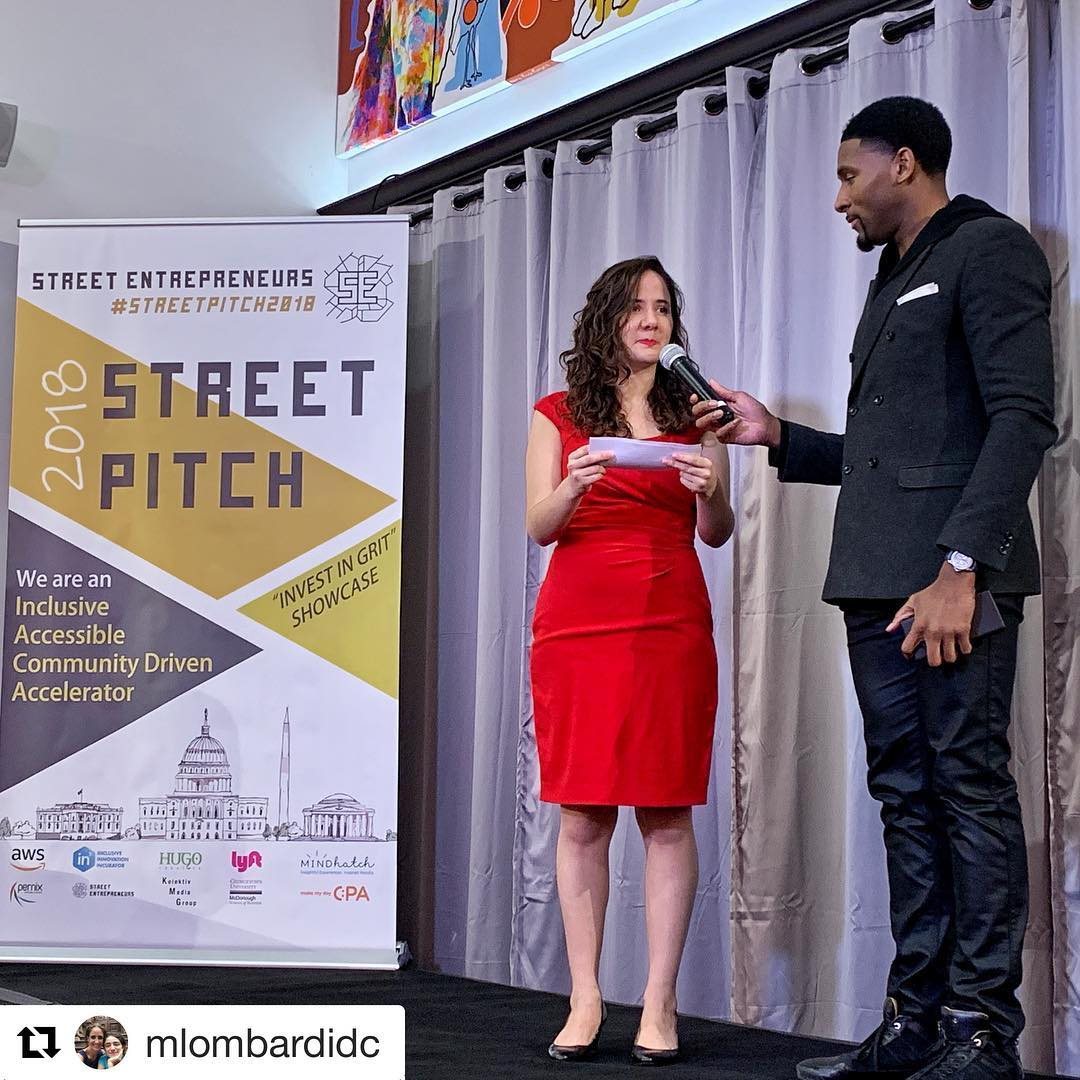
2018"Invest in Grit" · Inclusive Innovation Incubator · November 27, 2018
The first Street Pitch, on Giving Tuesday, hosted by Brandon Andrews of ABC's Shark Tank casting team, streamed on Facebook Live and judged by a panel of 21 investors, operators and D.C. officials.
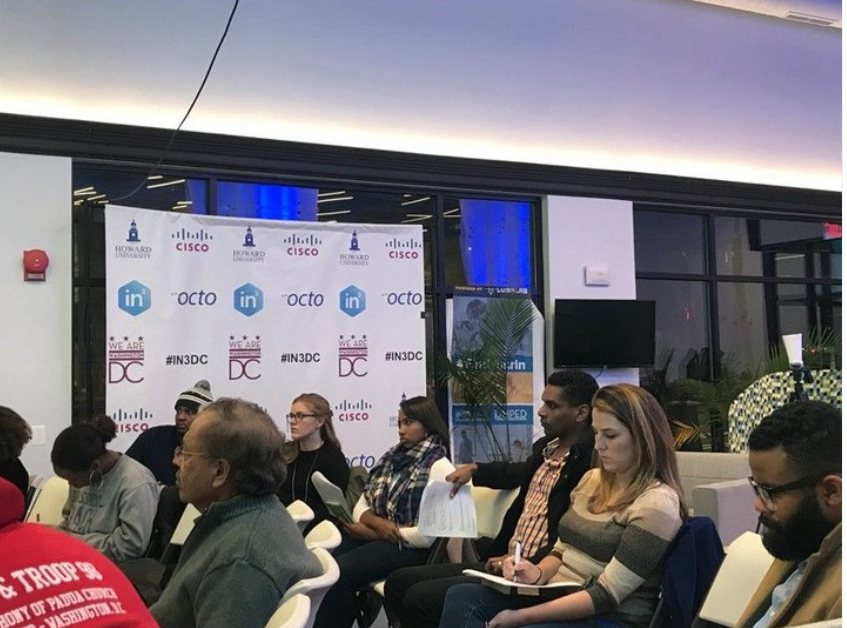
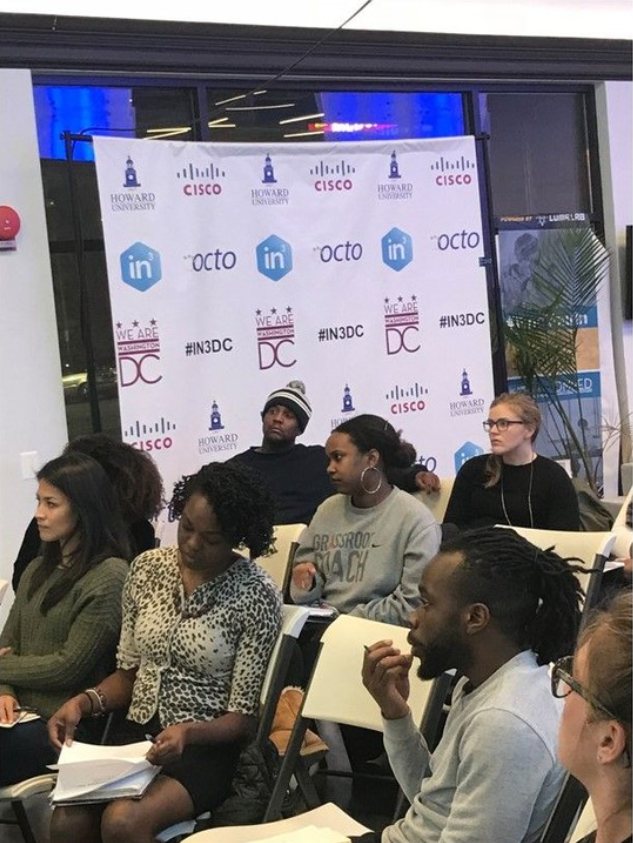
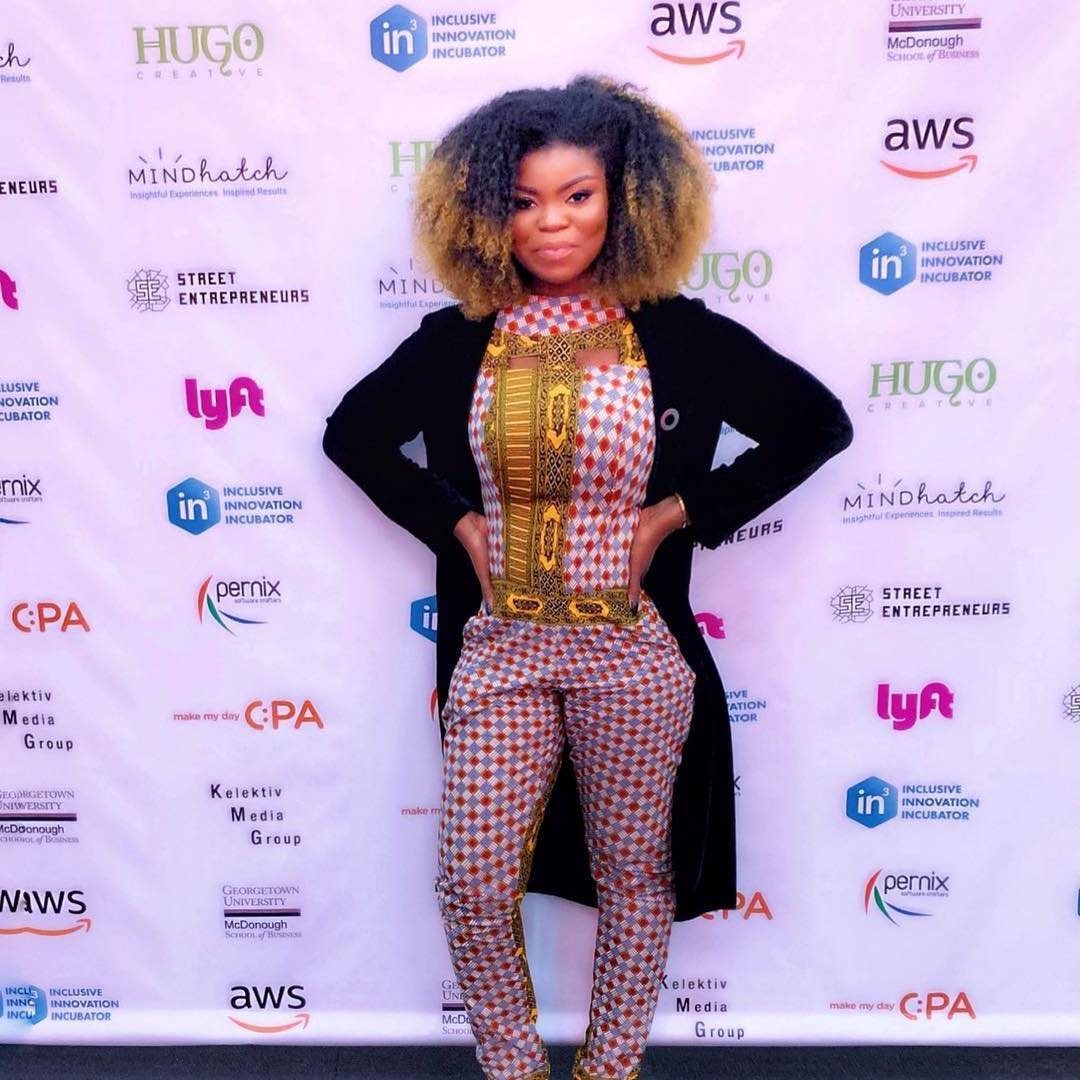
On the sponsor wall, the night the audience became the investors.
Sponsors made the night possible: Amazon Web Services, Make My Day CPA, Lyft, In3, Pernix Solutions, Georgetown McDonough Executive Education and Mindhatch, with production by Hugo Creative and AXL. Programmatic partners, more than 30 community organizations and city offices, helped recruit and support the founders. More than 250 people packed the room, and once the seats ran out, guests stood along the walls. The press release set a goal of one million virtual viewers, and the team built toward it by asking partners to stream and share the showcase. More than 50 organizations and supporters livestreamed or shared it, reaching a combined following of more than 300,000, so anyone could back a founder from home. American Sign Language interpretation came courtesy of Gallaudet University.
Street Pitch 2018 broadcast and promotion partners
1 Million Cups DC
1863 Ventures
82 Tabs
Affiniti VC
Athletes Without Borders
Black Female Founders
Black in China
BloomShift
Charlotte Clymer
Clearly Innovative
Crowdfund Mainstreet
DC Central Kitchen
DC Small Business Development Center
DC Startup Week
DC Startup Weekend
District Bridges
Elegant Entrepreneur
Femme Fatale Pop-up Store
For the Culture Media
Global Entrepreneurship Week USA
Global Good Fund
Hatch Apps
Hispanic Heritage Foundation
In3
Innovate Coalition
Jenny Kassan
More than a Pretty Face
Off the Beat
Rantt Media
SUEGO
TechnoRamp
Union Kitchen
The Vinetta Project
Washington DC Economic Partnership
We Are Marcus
The 2018 judges
Shelly BellBlack Girl Ventures
Sibyl EdwardsBlack Female Founders
Ryan MaliszewskiGallaudet Innovation & Entrepreneurship Institute
Stacey Wood JacksonAmazon Web Services
Melissa BradleyInvestor & professor
Maryann LombardiDC Office of Cable TV, Film, Music & Entertainment
Kristina FrancisTechnology executive
Kezia WilliamsThe Black upStart
Katherine MereandDC Dept. of Small & Local Business Development
Karima WoodsD.C. Government
Jeff ReidGeorgetown Entrepreneurship Initiative
Felipe PeresDC Small Business Development Center
Elena RosenblumUnion Kitchen
Deloris WilsonBEACON
Danielle TateAuthor, Elegant Entrepreneur
Cullen GilchristUnion Kitchen
Aaron SaundersClearly Innovative
Boris FokmanNBAC Corporation
Brianne DornbushDistrict Bridges
Cee SmithEntrepreneur & angel investor
Amelia FriedmanHatch
2019Founder Retreats · ward pitches
With the accelerator organized into Founder Retreats, pitching moved into the program itself: ward-level pitch sessions where cohorts selected the founders who would go on to the showcase.
2020Virtual · Facebook Live · December 15, 2020
Filmed in advance with a mini-documentary on each founder at landmarks in every ward, and shared by partners and more than 100 community groups on Facebook to a city in lockdown. The broadcast reached 6,400 people and earned 2,489 engagements. A silent auction run by the board gave 29 more entrepreneurs a marketing platform, with proceeds split evenly into micro-grants for the finalists. Each of the seven finalists also earned $5,000 in Amazon Web Services credits and a seat in SEED SPOT's two-day accelerator.
"I've had the privilege of judging numerous pitch competitions, but Street Pitch was a unique experience. Street Entrepreneurs got it right because it's about the entrepreneur, their story, their journey and what drives them to accomplish their business goals."
A Street Pitch 2020 judge
Spinoffs
What we built.
The accelerator kept running into the same walls: capital that didn't reach overlooked founders, skills that cost money founders didn't have, and storefronts that disappeared overnight. So it built products to go around them.
2018 to 2019
Street Investors Exchange
An investment platform, co-founded by Juliana, that ran fund management competitions, tracked investor performance and gamified investor education, so that top performers could be connected with investment advisory opportunities regardless of pedigree. The goal was to move the needle on gender and racial diversity in investing. Its beta, product requirements and A/B tests became the basis of a 2018 U.S. provisional patent filing.
2018
Talent Hive
The digital version of the Talent Exchange: a time-bank web app, built with CTO Cory Lancaster, where founders traded skills for Karma credits instead of cash. It ran 128 beta tests over two and a half months across D.C., Maryland and Virginia, and the findings became a V2 roadmap with iOS and Android apps, chat, and English and Spanish.
A collectively owned online marketplace that moved brick-and-mortar founders online during COVID-19, lifting sales 25%. In 2021 it carried Juliana into the Visible Hands VC fellowship.
When COVID-19 closed storefronts across Washington, many Street Entrepreneurs founders found themselves with no revenue and no access to relief. Businesses too new to show losses didn't qualify for federal aid. Cleaning companies built on contractors couldn't get Paycheck Protection loans. Salons couldn't go virtual.
Street Collectiv was the response, co-founded by Juliana and Stephano Muro: a collectively owned online marketplace that let makers and small business operators pre-sell gift cards and services, take donations, and keep a presence while their doors were shut. Founders kept their focus on the product; the Collectiv handled the website and marketing. It later became the seed of a sister organization aimed at the digital divide facing microenterprises.
Founders using the Collectiv saw sales rise 25%. In 2021 the idea earned Juliana a place in the Visible Hands VC fellowship, which backs overlooked founders building venture-scale companies: one of 51 people selected from more than 900 applicants in 40 countries. There she worked on growing the Collectiv into a marketplace connecting small businesses with conscious consumers, and ran a pilot that helped four businesses steady their cash flow through email partnerships and customer subscriptions.
Maddie Boening Sunstone Candles
Put her savings into her first candle shop at Union Station in December 2019. Three months later COVID closed it. Too new to show losses, the business qualified for no aid at all.
LaKeisha Henry Le Shaé
Her premium hair extension business came to a standstill. She spent the shutdown running errands and organizing donations for senior members of her church. "It's about what it represents, not just hair."
Georgina Gourdain Alta Classic Maids
Arrived in Silver Spring in 1982 and has led cleaning businesses for more than 35 years. Her revenue vanished within months. She kept buying, cooking and delivering free meals to cancer patients recovering at home.
Founding partners
Launched in November 2016 with the Office of Mayor Muriel Bowser, Google, and Georgetown Law's Institute for Technology Law and Policy. Its singular goal: to make D.C. the most influential and supportive city for women entrepreneurs.
What it built
The largest directory of women entrepreneurs and support organizations in the District, 30 micro-grants to women-led organizations, a widely cited report presented before the U.S. Senate Small Business Committee, and programs reaching more than 600 women founders. Beacon's own history credits its support with helping Street Entrepreneurs expand.
What carried on
When the three-year campaign wound down in 2020, the biweekly newsletter reaching 3,000 women business owners continued under Hera Hub DC and Street Entrepreneurs. Startup Law 101 continued with ChIPs. The directory moved to HubDC. Street Entrepreneurs' share of the newsletter later passed to WACIF for its Enterprising Women of Color program.
A Sister Effort
Beacon DC.
BEACON: The D.C. Women Founders Initiative was a community-led campaign to show how investors, companies, mentors and government could work together so that women entrepreneurs have an equal opportunity to succeed. Juliana Cardona Mejia served as its Co-President, and when the campaign closed, Street Entrepreneurs became one of the organizations that kept its work alive.
"Disparities for women in entrepreneurship have always existed, and COVID-19 has made it worse. And inequity is greater for Black, Brown, and queer women. Equity can't wait."
Juliana Cardona Mejia, Beacon wind-down announcement, September 2020
Advocacy
Changing the rules.
Coaching founders only goes so far when the rules keep them out. One of the biggest barriers was the cost and paperwork of simply getting licensed, so Street Entrepreneurs took the stories of its founders to the D.C. Council, twice.
Weeks after the first Street Pitch, Juliana testified in person at the John A. Wilson Building before the Council's Committee of the Whole, alongside the Institute for Justice. The bill, the Micro-Business Startup Fee Relief Amendment Act, would have cut the cost of a basic business license and its required fees by 75% for businesses earning $100,000 or less. She asked the Council to lower license costs for micro-businesses and to create testing licenses so founders could try an idea before paying to make it official. Chairman Mendelson and other Councilmembers signaled openness to lowering fees.
Before the hearing, Juliana interviewed about 50 entrepreneurs about their licensing experiences, recruited other organizations to testify, emailed 5,000 people and launched a petition that gathered 196 signatures. Then she testified in support of the Business and Entrepreneurship Support to Thrive (BEST) Amendment Act, which would collapse more than 100 license categories and lower fees, and pushed past it: reinstate street vending licenses, drop occupancy permit requirements for businesses that pose no health or safety risk, and waive start-up fees for low-income entrepreneurs. The committee report records her as the only witness to raise street vending.
The BEST Act became law. It took effect on October 1, 2025, consolidating more than 100 business license categories into 13 and lowering initial and renewal fees for every new business in the District.
"Today, I had the privilege to testify in front of the Washington DC Council. The topics we discussed today will impact all DC-based entrepreneurs and small businesses."Juliana Cardona Mejia, LinkedIn, February 2022
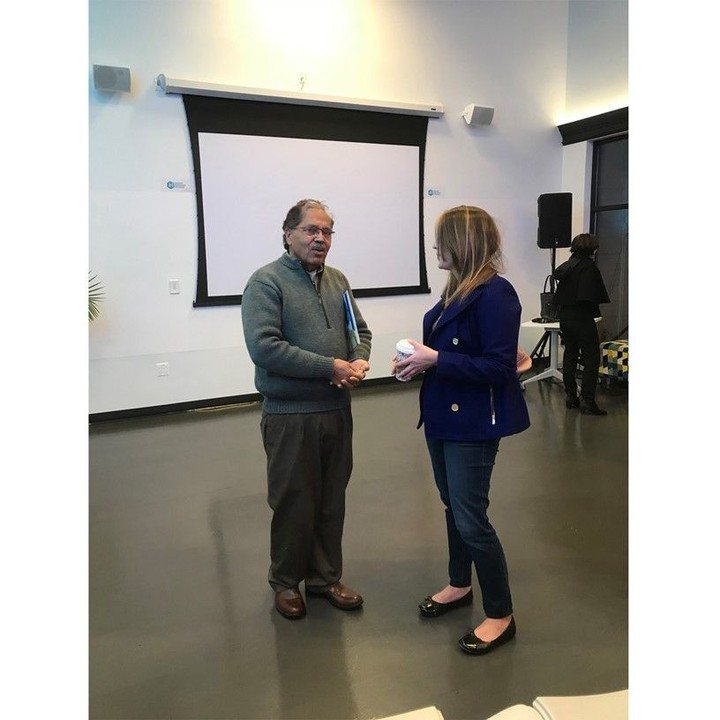
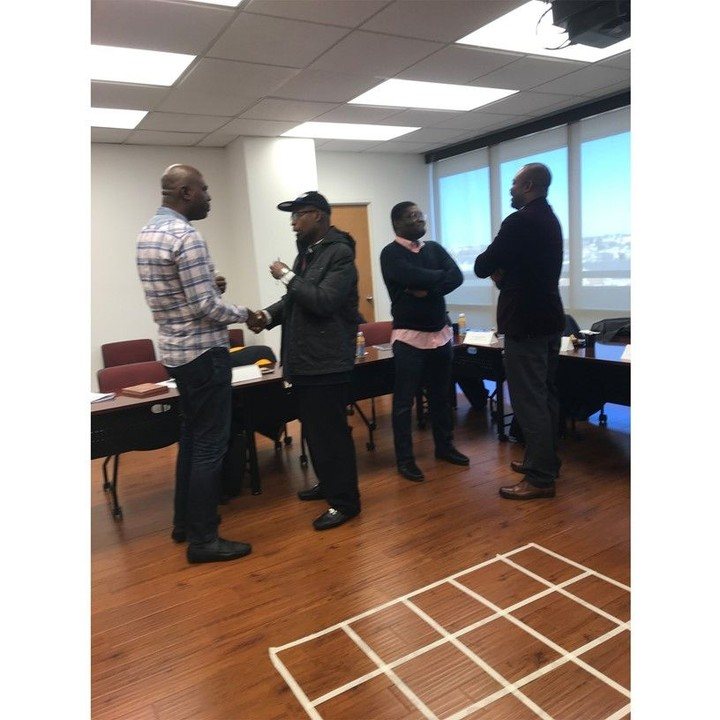
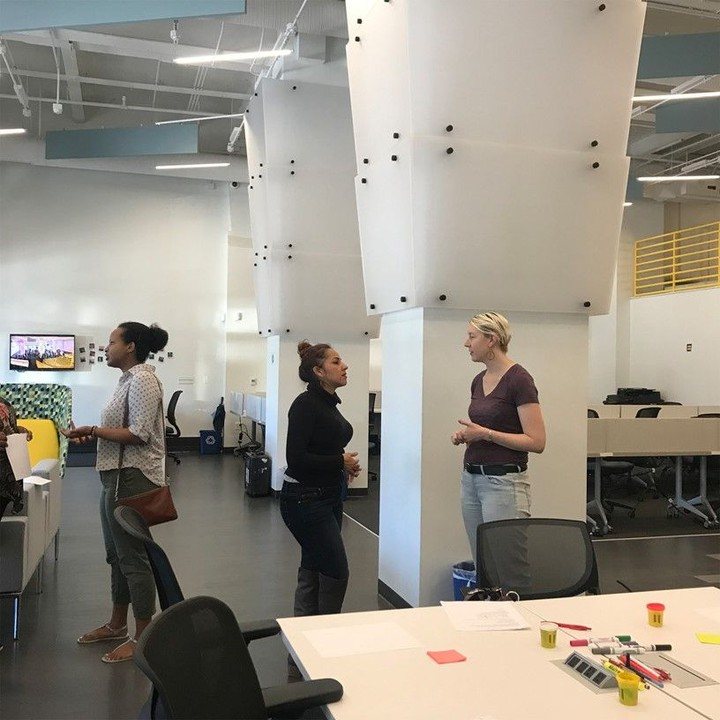
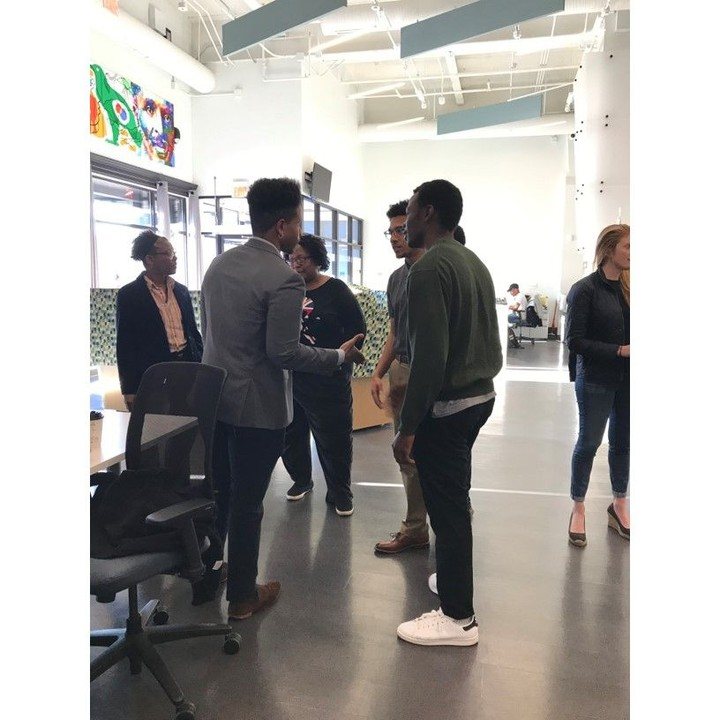
A one-on-one at a Talent Exchange, Inclusive Innovation Incubator
What We Learned
Lessons we are still spending.
01.
Grit is a real resource.
Founders without networks or credentials but with relentless follow-through outperformed expectations again and again. Talent, heart and grit, not pedigree, should be the sole determinants of access to knowledge, networks and capital.
"The only requirement to join Street Entrepreneurs is grit; everything else can be learned."Street Entrepreneurs business plan, 2019
02.
Design for the whole of life.
Most founders joined to supplement income week to week, not to chase a market. So the program met them where they were: self-paced modules, noon and 4pm session blocks, and from 2020 onward, stipends for childcare, transportation and wifi.
"By designing with the human at center, business growth is a by-product of human growth. And being with the people remains our highest priority."Juliana Cardona Mejia, Impact Report 2021
03.
Peer selection changes who gets the stage.
Street Pitch founders were nominated by their cohort against published criteria: direct insight into the problem, a solution that doesn't yet exist, evidence of user testing, a real plan to scale. Judges served as critical advisors, not gatekeepers.
"Entrepreneurship is a collective experience, powered by an ecosystem of collaborators, influencers, friends, family and technical support. Traditionally, pitch competitions are one dimensional. This comes with its own set of power differentials that perpetuate systemic inequities."Impact Report 2021
04.
The friends-and-family round is a wall.
For founders without wealth in their family or community, it is the first and tallest barrier. Letting an audience vote with purchases, crowdfunding and in-kind support did not just unlock capital. It unlocked permission.
"Financial capital is closely tied to social capital and heavily influenced by professional networks and generational wealth. We are committed to breaking these channels for a grit-focused economy."Impact Report 2021
The Fellows
The team behind the scenes.
We worked with 20+ fellows from across the country and the world. They came to Washington, D.C. for three to six months to run the program alongside Street Entrepreneurs, often supported by their embassies, their universities and The Washington Center. They came from South Korea, Spain, Mexico, Gibraltar, Kazakhstan, the Philippines and Panama, and from Arkansas, Pennsylvania, Massachusetts, Tennessee, California, Maryland, Florida, Illinois, Ohio, Minnesota and Alabama. Many went home and started similar programming in their own communities.
Abdulaziz AlfawzanTiffin University, Ohio
Alan Fernandez TovarHidalgo, Mexico
Alejandra Ceballos MesaColombia
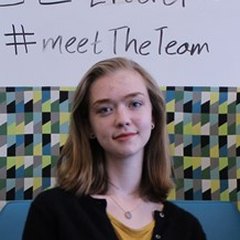
Alexandria BantaTennessee
Alexis Joel Morales ArroyoGuanajuato, Mexico
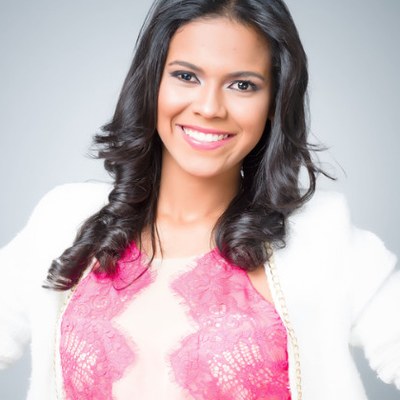
Allison AlvaradoPanama
Amber GrantMinneapolis, Minnesota
Blake HardestyMaryland
CMCarlos Ernesto Morales ChavezMexico
Emanuel NolascoMexico
Frank CardyXavier University, Ohio
Gina M. StaceyPennsylvania
Gregory GarlitzMaryland
Henry MashettPennsylvania
Jaqueline Villalpa ArroyoHidalgo, Mexico, and Arkansas
Javier GranilloArkansas
Jezen BurtonGibraltar
John FitzgeraldNew England
José Alberto “Beto” SalidoSonora, Mexico
Mark ZoletaIowa
Mary ClarkPennsylvania
Mihyeong LeeSouth Korea
Muhannad AlsubaieTiffin University, Ohio
Noureddine Ait BellaMorocco
Samantha SantillanBaltimore, Maryland
Selyne Singh MeltonFlorida
Son HuynhCalifornia
Stephanie LopezAmerican University
Stephano MuroCo-founder, Street Collectiv
Teresa Alonso de la Florida CasalSeville, Spain
Zulfiya UrunovaKazakhstan
In their words
"If you are selected to take part in a Fellowship, you should know that unlike other organizations, Street Entrepreneurs will push you beyond your comfort zone and give you essential work right away."
Stephanie Lopez · American University, 2020
"I wish something like Juliana's organization existed when my parents needed help."
Mark Zoleta · Iowa, 2018
"It is rare that you come across someone who is as hardworking and gritty as Juliana is."
Jezen Burton · Gibraltar, 2018
"Our team is like a family, and we take care of one another. Whenever the sun is out, we go to the nearby park to have picnic lunch."
Mihyeong Lee · South Korea, 2017
"It has been an amazing experience to work in a multicultural environment where everyone's mission overlaps."
Teresa Alonso de la Florida Casal · Spain, 2017
"She created an environment where I felt valued, heard, and appreciated."
Gina M. Stacey · Pennsylvania, 2020
The Volunteers
Skills, given freely.
Alongside the fellows, skilled volunteers gave their time to the work: designers, project managers and specialists who took on a project, shared what they knew and helped a small team do more than its size allowed. Many came to us through the Montgomery County Volunteer Center and through Catchafire, which matches skilled professionals with nonprofits, and some worked with us remotely from across the U.S. and the world.
Design & marketing
Ciara Ayala SalvadorFlyer design
Cyril Alexis R.Google Ads set-up
Danielle S.Branded digital assets
Kelly ChmielewskiPro bono brand strategy
Ley BlackwellTalent Hive logo design
Lu L.Infographic design
Luke CumminsUI/UX design
Marquell M. WashingtonMarketing and public relations
Nathan K.Google Ads campaign
Ryan C.Website visual design
Wei Y.Social media calendar
Legal
Aditi Eleswarapu
Doug Boggs
Emily Beers
Garrett Kennedy
Joshua Toll
Kathleen McCarthy
Lida Ramsey
Meghan Biss
Ryan Compton
Sharon Want
Zach Altman
Writing & grants
Danae BarnesGrant writing
MacClement GuthrieSpanish website translation
Ralph IbsonWriting and storytelling
Shayna McCreadyGrant writing
Tom ClarkStorytelling and 990 review
Finance & operations
Alpa S.Accounting systems
Dillon JosephBookkeeping and QuickBooks
Martin L. FreemanProject management
Nway Nway KoAccounting
Paula GutierrezAccounting and tax filings, 2017
Robin TerryPro bono consulting, COVID-19 response
Data & tech
Adriana VoyceIT support
Dominic PullerIT support
Evan WarnerSalesforce administrator
Gail M.Tech systems
Phan HuynhDonor data
Sanjay AroraData project
Yunki K.CRM audit and data analytics
Outreach, events & programs
Andy CloydFounder feedback sessions
Beilul TesfaiOutreach, 2020
Saleema VellaniStreet Pitch 2018 check-in
Sara L. AllenWorkshop facilitator
Tom HuntleyBoard development
Zachary LandesStreet Pitch 2018 check-in
The Lecturers
Practitioners, not professors.
Every workshop was taught by someone who had done the work: founders, lawyers, accountants, investors, marketers and city officials who volunteered their expertise. From the first In-the-Making workshops in 2017 to the virtual accelerator that kept more than 1,000 founders going through COVID-19 in 2020, these 73 lecturers taught the curriculum. Workshops marked ▶ were recorded and can still be watched.
Raji RamananExecutive Career Management, Georgetown McDonough
Frank CarbajalFounder & President, Es Tiempo
Aurelia FloresFounder, Athena Digital Media Group
BJ McDuffieEvaluation & Engagement Manager (Contractor), TechCamp, U.S. Dept. of State
Patrick GusmanExecutive Director, Strategic Initiatives, University of the District of Columbia
Ayanna SmithFounder, Beauty + Tech
David WilsonPrincipal, Franklin Advisory
Liz WhiteheadCEO, 12PointFive
Danielle TateFounder & CEO, MissNowMrs.com
Cory LancasterCTO, Talent Hive
Andres (Andy) Ramirez NatesOwner & CEO, Hispanic VIP
Kim Buckner PattonDirector, Foundation Center (Candid)
Peter PagePresident, SageWater
John RepettiFounder, Sila Solutions Group
Frank DiGiammarinoExecutive Vice President, Booz Allen Hamilton
Aaron SaundersFounder & CEO, Clearly Innovative
Street Pitch judges from 2018 and 2020 are pictured in the Street Pitch section.
Funders
Government
D.C. Office of the Deputy Mayor for Planning and Economic Development
D.C. Mayor's Office of Latino Affairs
Corporate
Capital One
Target
Lyft
Make My Day CPA
Mindhatch
Foundations & nonprofits
Max and Victoria Dreyfus Foundation
Coalition for Nonprofit Housing and Economic Development (CNHED)
Global Good Fund
In-kind supporters & partners
In-kind supporters
Inclusive Innovation Incubator (In3) Home base on Georgia Avenue
Clearly Innovative
DC Small Business Development Center
Kelektiv Media Group
Partners
Deloitte Independent impact study
Booz Allen Hamilton
Amazon Web Services
Georgetown University
Pernix Solutions
Hera Hub DC
“We value one dollar as much as a million.”
And more than 1,000 individual donors, plus more than a hundred partner organizations, volunteers, instructors, coaches and mentors who made the work possible.
From the Archive
What a Tuesday night looked like.
Workshops, Talent Exchanges and showcases, mostly at the Inclusive Innovation Incubator on Georgia Avenue. Photos from the Street Entrepreneurs Instagram and media kit, 2017 to 2020.
2017The first year at In3
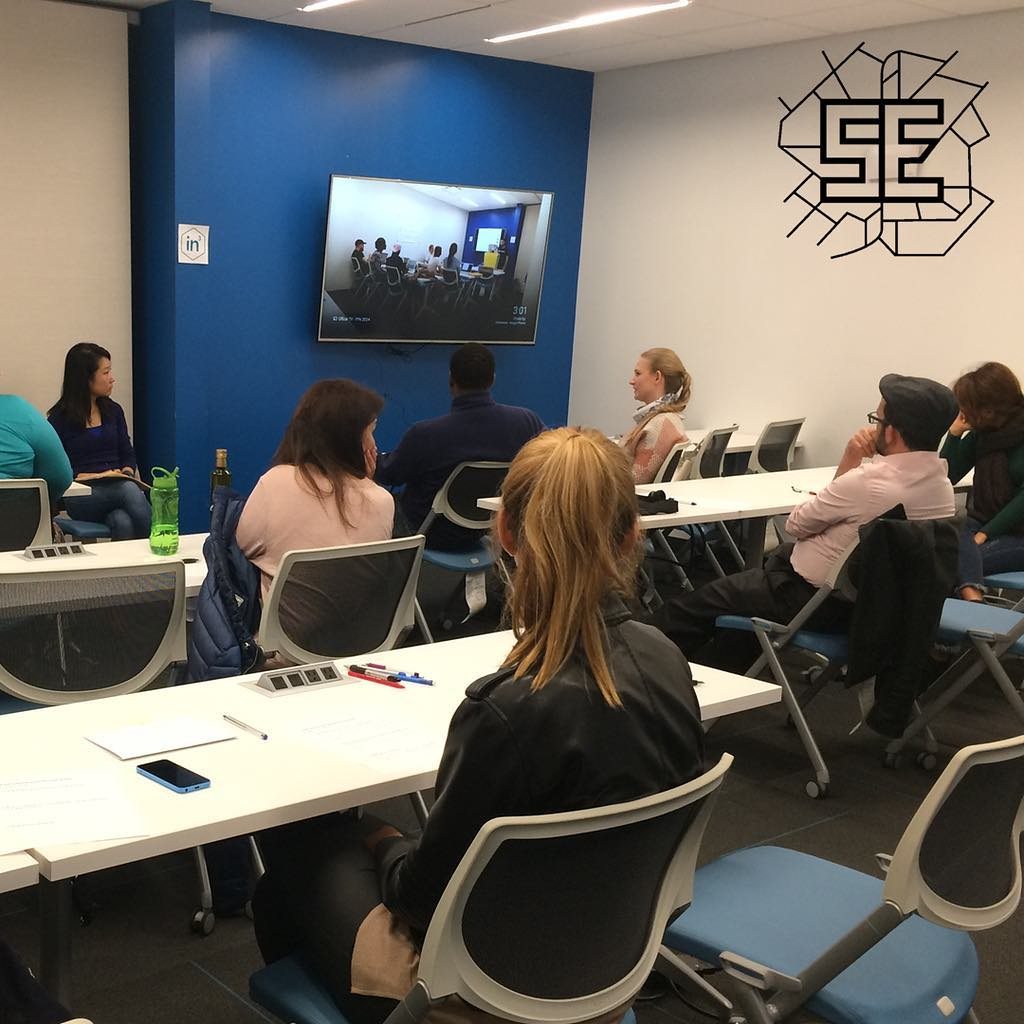
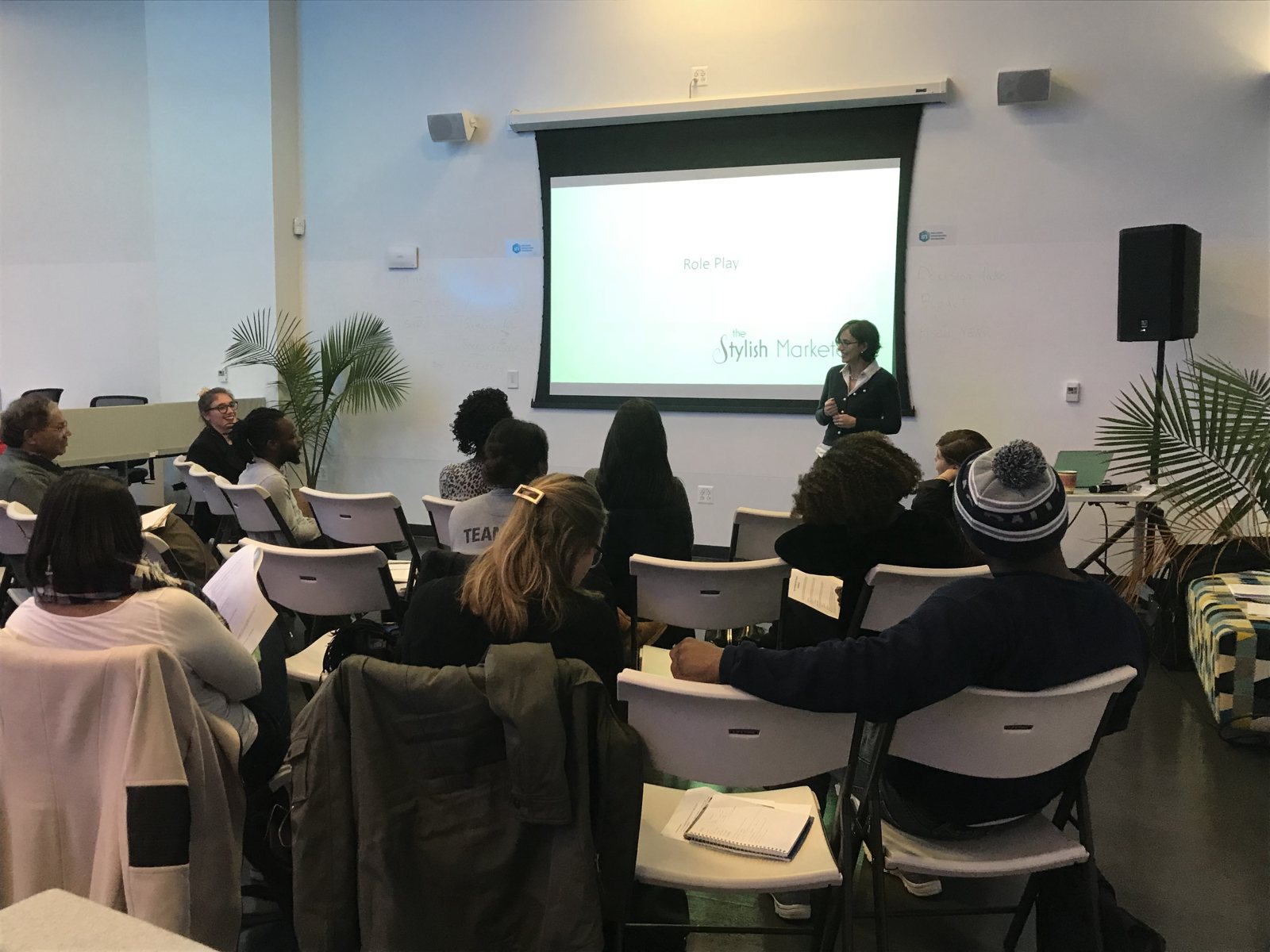
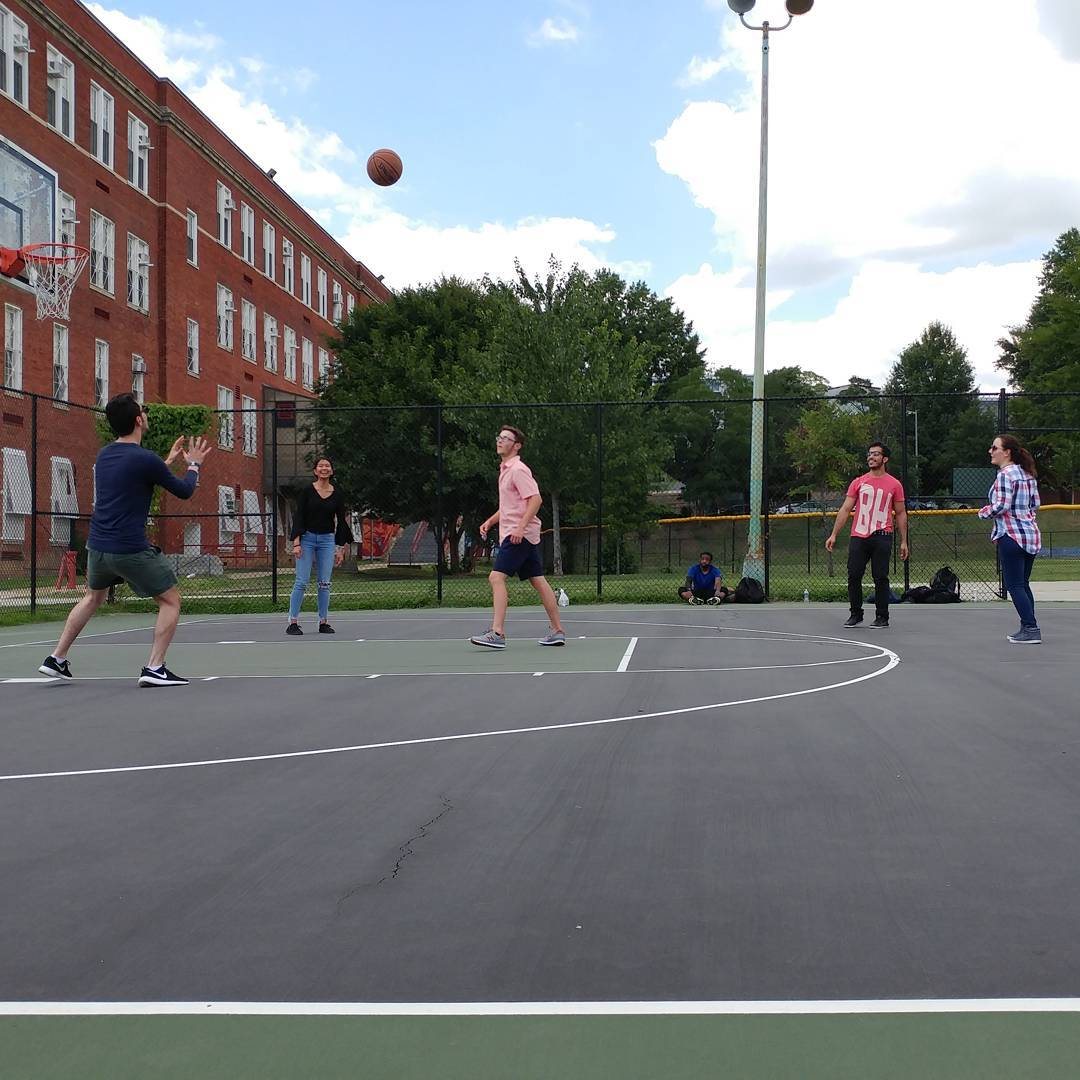
The In3 classroom on Georgia Avenue, the home base for the next three yearsNovember 2017"This all-women workshop was kickass."October 2017Sales role play with The Stylish Marketer2017Summer associates on a lunch breakJuly 2017
2018Workshops, the rooftop showcase and Street Pitch
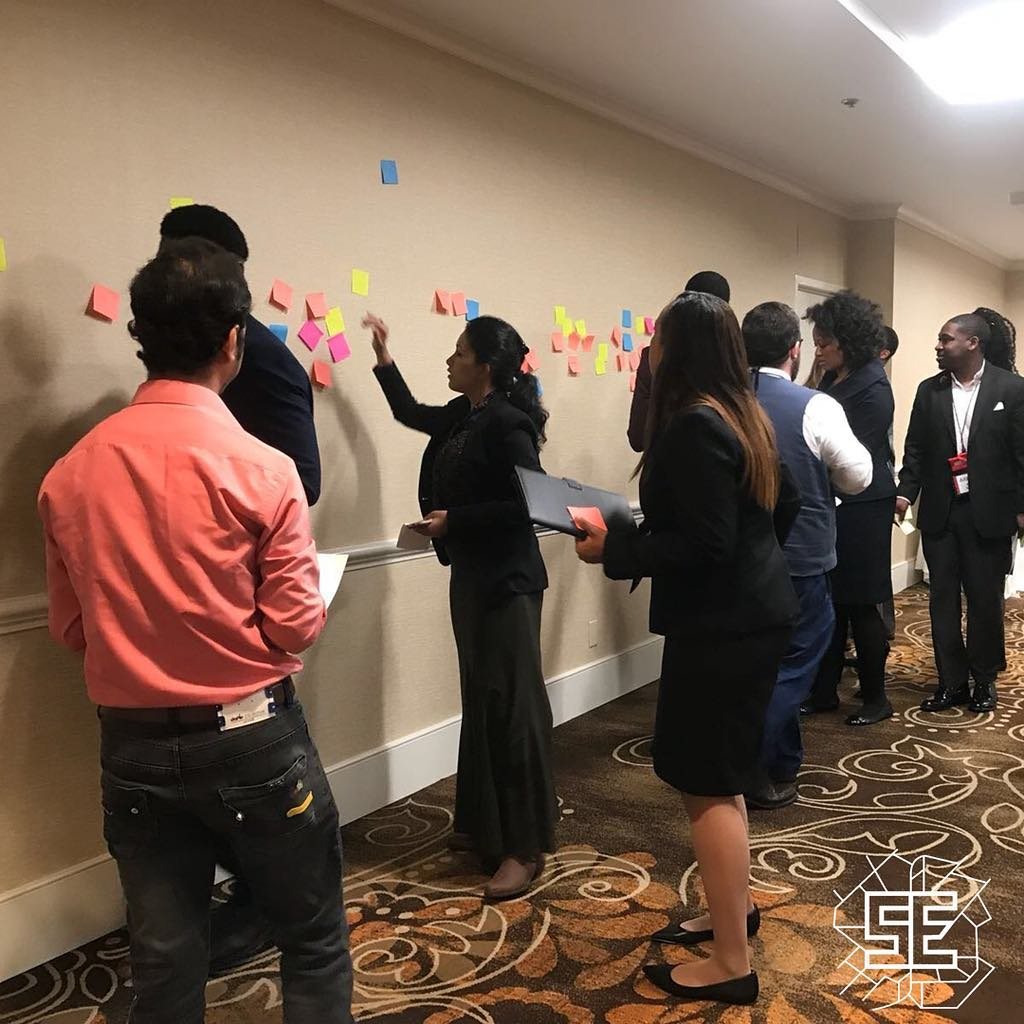
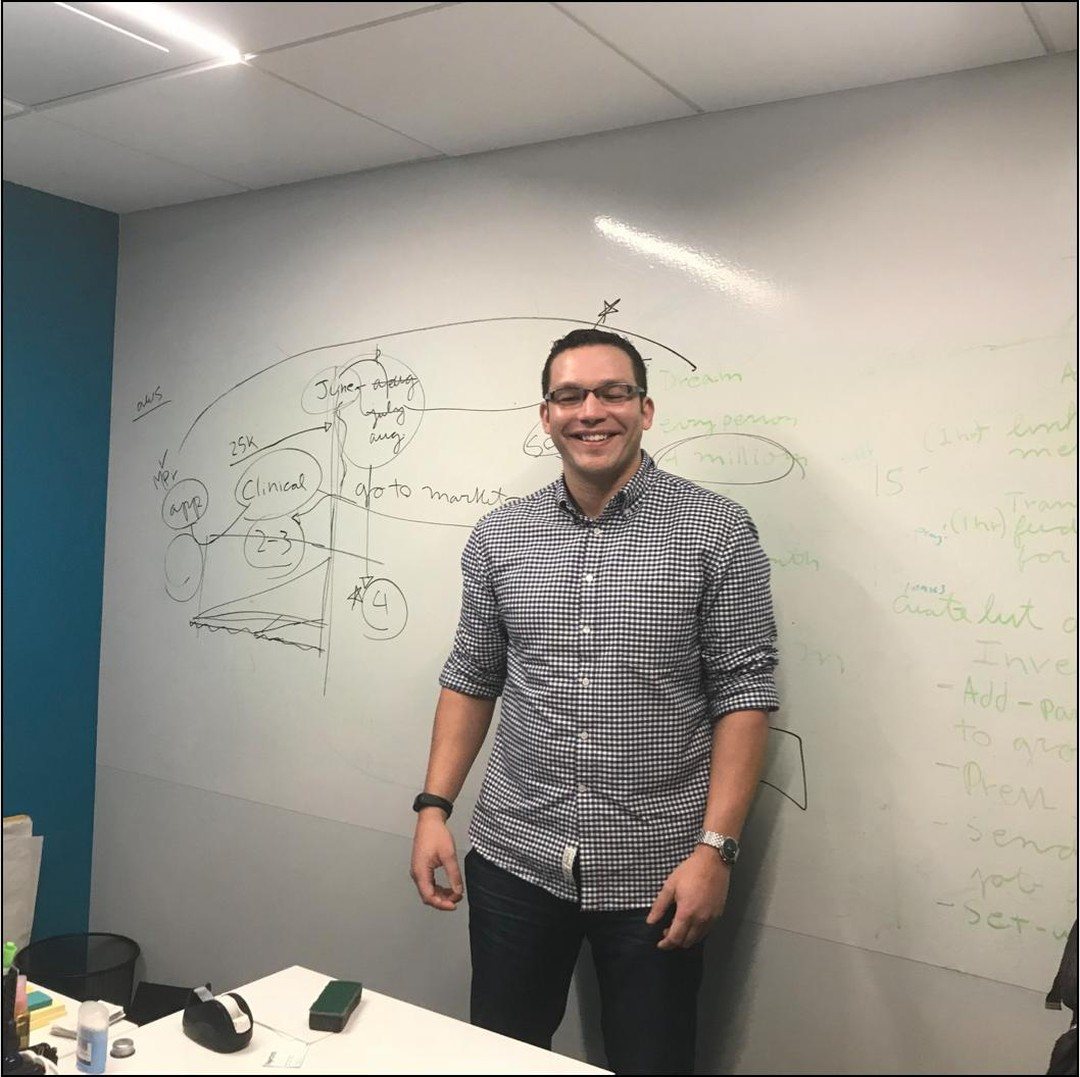
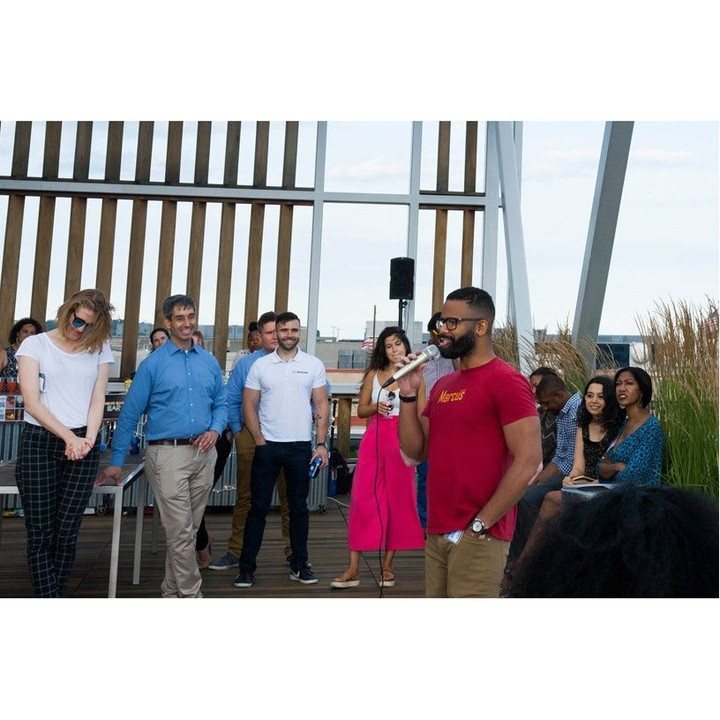
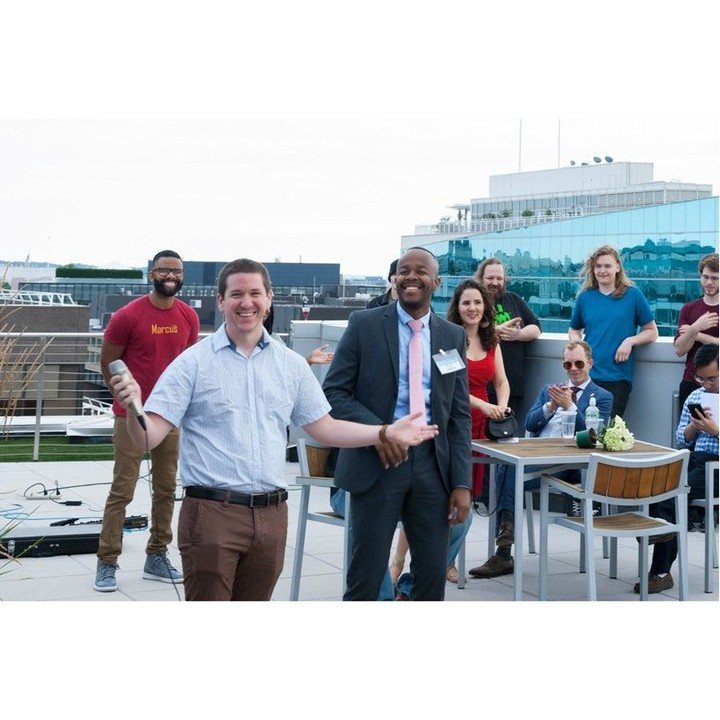
A workshop table in the first week of the yearJanuary 2018Heads down in an ideation session2018A circle session at In3, everyone with a say2018The team after a workshop night2018"Dear sticky note company, please sponsor us."February 2018Aaron Brehove of Cato Solutions whiteboarding his modelMay 2018Kim Fredrich's Sales Strategies workshopMay 2018"Punch Up Your Processes," a workshop on operations2018Founders mapping their own systems2018After a workshopInclusive Innovation Incubator, 2018Talent Exchange2018Live music at the summer rooftop showcaseAugust 2018Christopher King of We Are Marcus is introduced to the crowdSeptember 2018Brian and Fabrice Guerrier of SyllbleSeptember 2018One of the volunteers who made the evening run, Capitol behindSeptember 2018Juliana opens Street Pitch 2018 with host Brandon AndrewsNovember 27, 2018The Street Pitch 2018 lineup, "Invest in Grit"November 27, 2018"Black Magics making magic" behind the cameraNovember 2018Board and advisors, the night of Street PitchNovember 2018
2019Founder Retreats and the 200-founder study
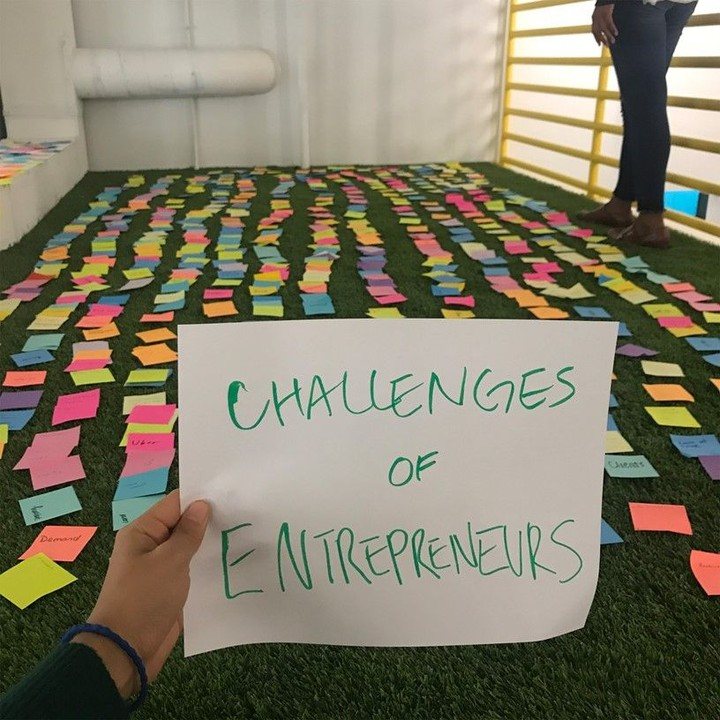
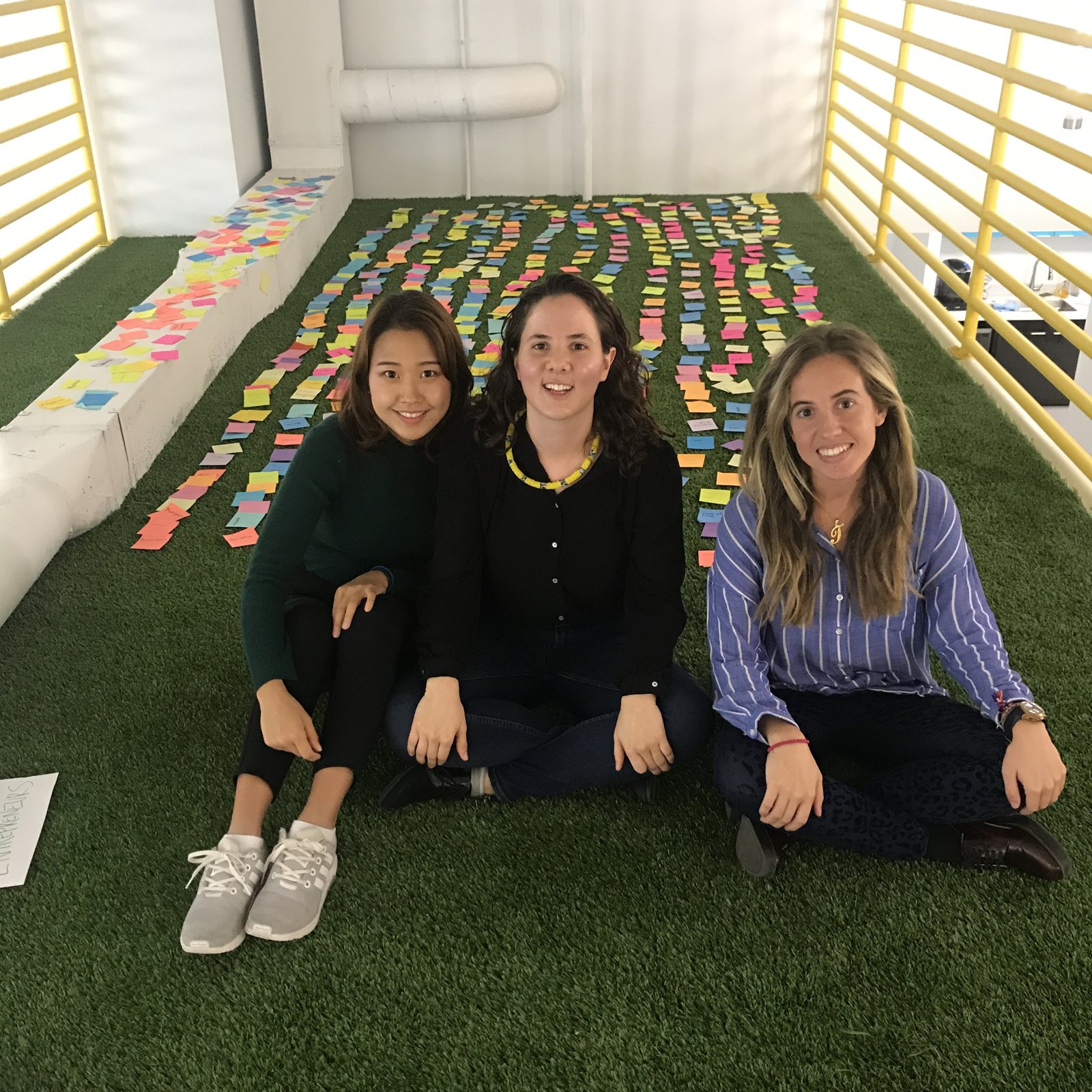
The challenges of 400 entrepreneurs, laid out on the floorMarch 2019The team that laid out 400 founders' challengesMarch 2019"Brainstorming in the blue light of the incubator."April 2019"Our entrepreneurs work all day then come to workshops at night."April 2019Michelle Stillwell and a founder connect after Kim's classApril 2019"Back to the drawing board."May 2019Sales Strategies for StartupsJune 2019An evening class in the In3 classroom2019Sales strategy, round twoJuly 2019"If you want to go far, go with others."July 2019Talent ExchangeInclusive Innovation IncubatorJuliana at the September rooftop gatheringSeptember 2019"Everybody do the network huddle!"September 2019"Street entrepreneurs at work."December 2019
2020The last in-person months
The last in-person cohort kicks offJanuary 2020CRM workshopJanuary 2020A founders huddle, posted as a throwback once everything moved onlineApril 2020
Click any photo to enlarge.
Where the Work Continues
The ripple keeps going.
For founders
WACIF
Street Entrepreneurs' work carries forward through its integration with the Washington Area Community Investment Fund, a cornerstone of the Washington, D.C. small business and entrepreneurship community. Together, the mission continues: amplifying impact, powering up small businesses and fostering growth and prosperity in the community.
Organizations interested in replicating the Innovation Accelerator Design Framework can start with the full 2021 Impact Report or connect with the founder.




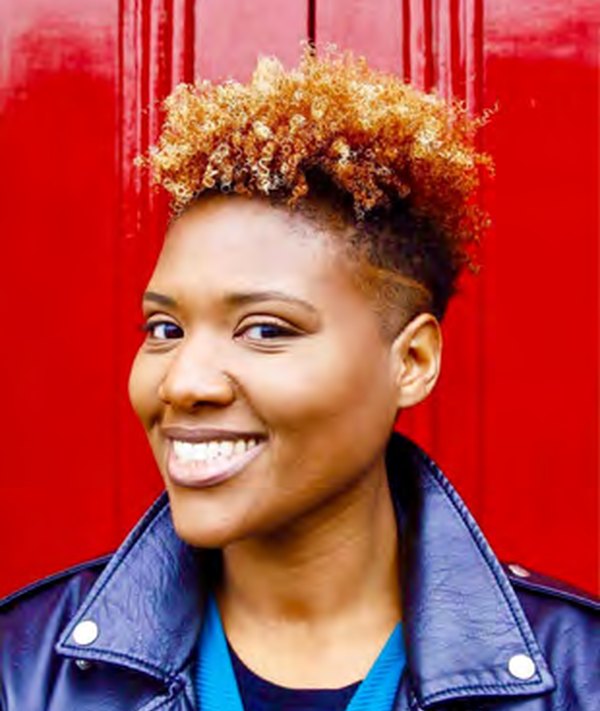
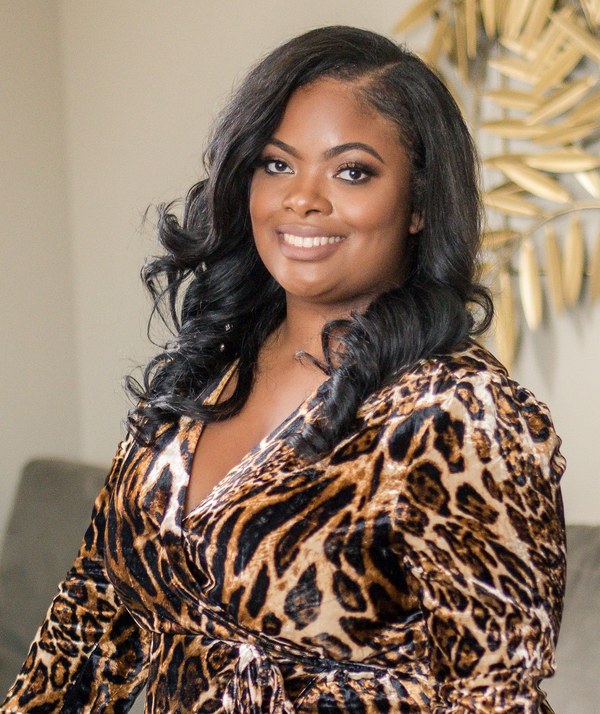
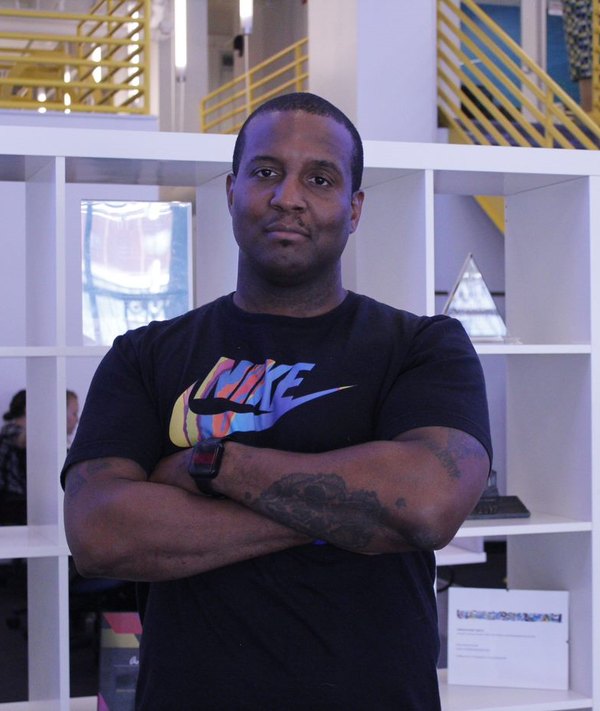
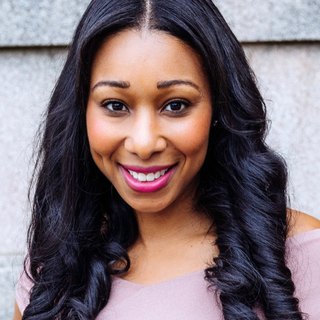



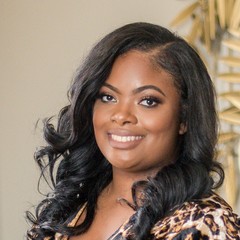 Jazmine DavisJazmine KionnaWatch pitch
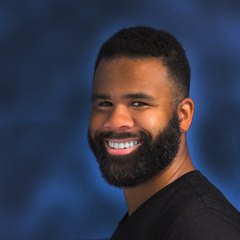 Christopher KingWe Are MarcusWatch pitch
 Ron ReavesKitchen VeteranWatch pitch
 Angelique MichelleIconiqWatch pitch
 Donna OmoregieThe Freestyle AppWatch pitch
 Teka ThomasVryPacWatch pitch
 Dave NovelliUltraviolet AnalyticsWatch profile
 Aaron BrehoveSmirkee CaresWatch profile
 Shelly BellBlack Girl Ventures
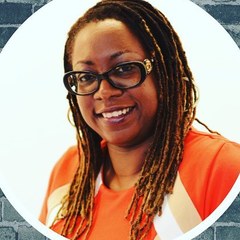 Sibyl EdwardsBlack Female Founders
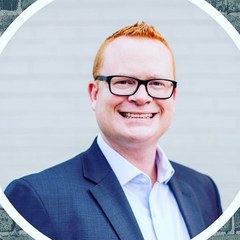 Ryan MaliszewskiGallaudet Innovation & Entrepreneurship Institute
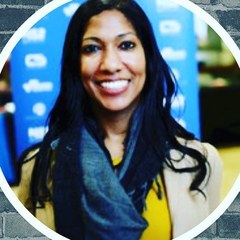 Stacey Wood JacksonAmazon Web Services
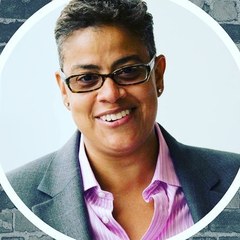 Melissa BradleyInvestor & professor
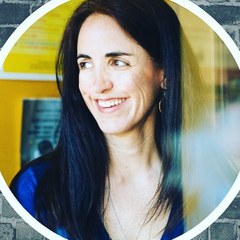 Maryann LombardiDC Office of Cable TV, Film, Music & Entertainment
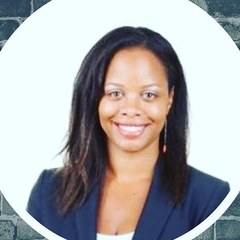 Kristina FrancisTechnology executive
 Kezia WilliamsThe Black upStart
 Katherine MereandDC Dept. of Small & Local Business Development
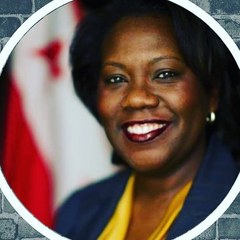 Karima WoodsD.C. Government
 Jeff ReidGeorgetown Entrepreneurship Initiative
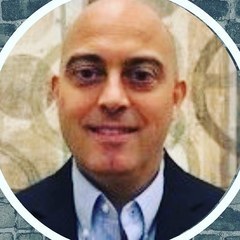 Felipe PeresDC Small Business Development Center
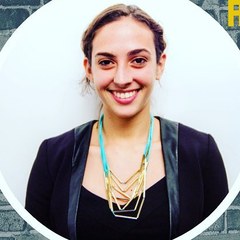 Elena RosenblumUnion Kitchen
 Deloris WilsonBEACON
 Danielle TateAuthor, Elegant Entrepreneur
 Cullen GilchristUnion Kitchen
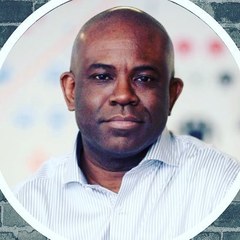 Aaron SaundersClearly Innovative
 Boris FokmanNBAC Corporation
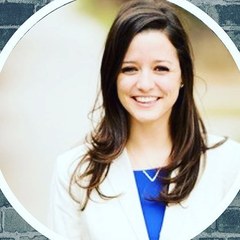 Brianne DornbushDistrict Bridges
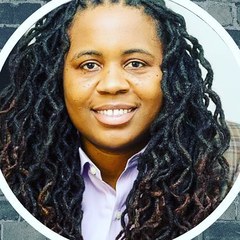 Cee SmithEntrepreneur & angel investor
 Amelia FriedmanHatch
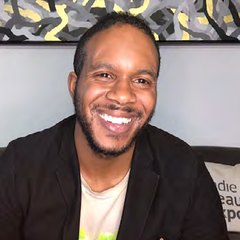 Paul Joseph Griffith
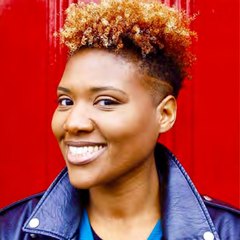 Charanor Marcano
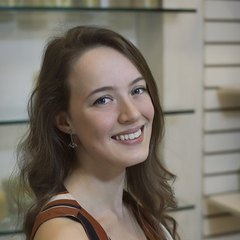 Maddie Boening
 Ruth Rau
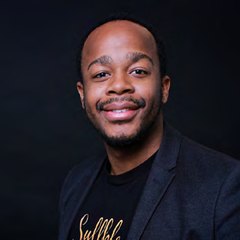 Fabrice Guerrier
 Jessica Dew
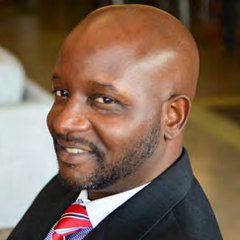 Walter Pearson
 Aaron Saunders
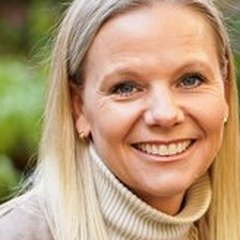 Alisha Griffey
 Aurelia Flores
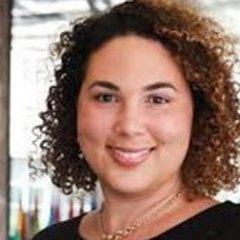 BJ McDuffie
 Brandon Andrews
 Christopher Upperman
 Danielle Toussaint
 Duane McKnight
 Emmanuel Kaska
 Frank DiGiammarino
 John Page
 Kristi C. Whitfield
 Manuel Cosme
 Meghan Gaffney Buck
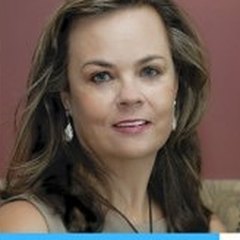 Michelle Thimesch
 Rachel Koretsky
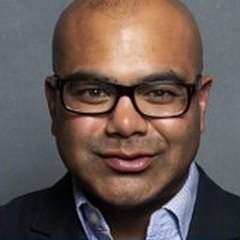 Toby Chaudhuri
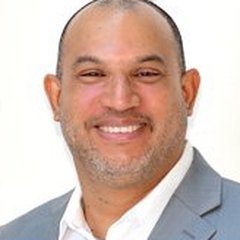 William Eric Linzey
 Wolf Ruzicka
 Zoe Dean-Smith
 Maryann Lombardi
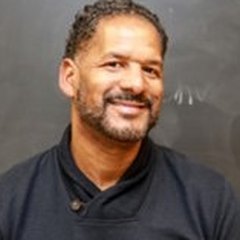 Maurice Boissier
 Abdulaziz Alfawzan
 Alan Fernandez Tovar
 Alejandra Ceballos Mesa
 Alexandria Banta
 Alexis Joel Morales Arroyo
 Allison Alvarado
 Amber Grant
 Blake Hardesty
 Emanuel Nolasco
 Frank Cardy
 Gina M. Stacey
 Gregory Garlitz
 Henry Mashett
 Jaqueline Villalpa Arroyo
 Javier Granillo
 Jezen Burton
 John Fitzgerald
 José Alberto “Beto” Salido
 Mark Zoleta
 Mary Clark
 Mihyeong Lee
 Muhannad Alsubaie
 Noureddine Ait Bella
 Samantha Santillan
 Selyne Singh Melton
 Son Huynh
 Stephanie Lopez
 Stephano Muro
 Teresa Alonso de la Florida Casal
 Zulfiya Urunova
 Juliana Cardona Mejia
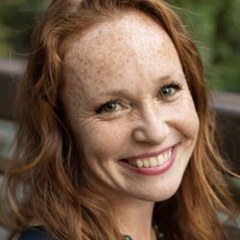 Mary Kingston-Roche
 Coonoor Behal
 Matrika Bailey-Turner
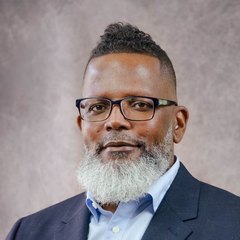 Jeffery Johnson
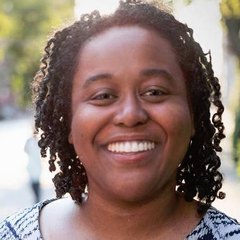 Eva Lewis
 Prateek Jain
 Andrew Finke
 Stefanie Thomas
 Artemio Rivera
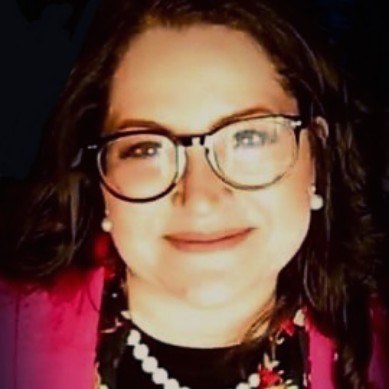 Sindy Benavides
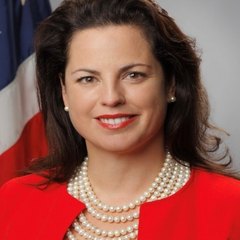 Natalia Olson-Urtecho
 Stacey Wood Jackson
 Deloris Wilson
 Lyndsey Clutteur DePalma
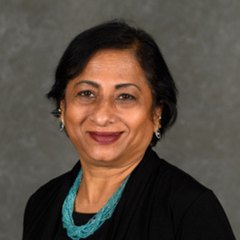 Raji Ramanan
 Frank Carbajal
 Patrick Gusman
 Ayanna Smith
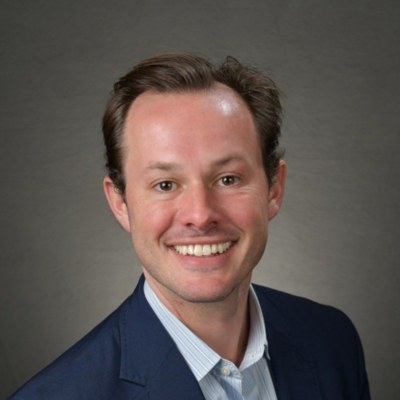 David Wilson
 Liz Whitehead
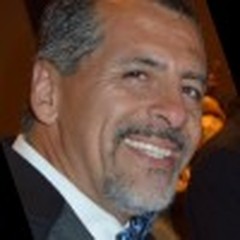 Andres (Andy) Ramirez Nates
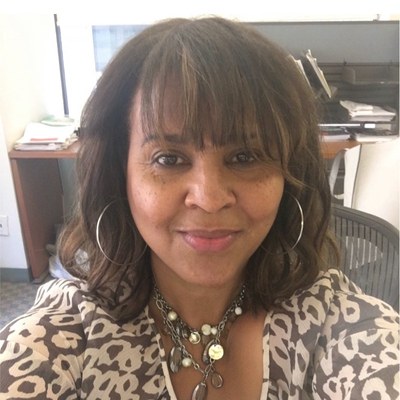 Kim Buckner Patton
 Peter Page
 John Repetti